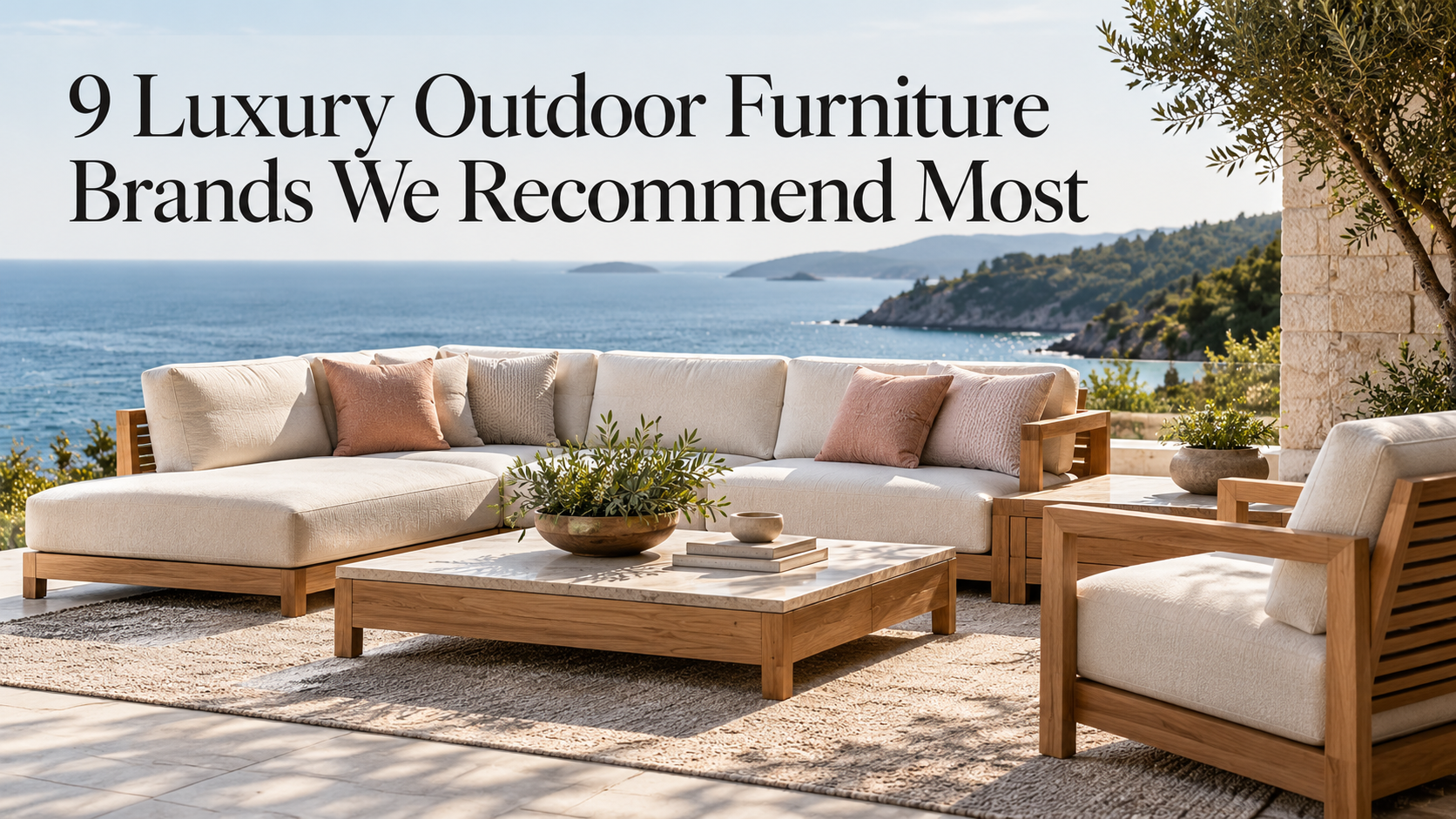
Choosing between luxury outdoor furniture brands isn’t usually about finding the most expensive option.
As a designer, you already know there are plenty of beautiful collections on the market. The challenge is finding the brand that fits the project.
A waterfront home has different demands than a rooftop terrace. A resort-inspired backyard requires a different approach than a minimalist architectural residence. The furniture that looks perfect in a presentation may not be the furniture that performs best once clients start living with it.
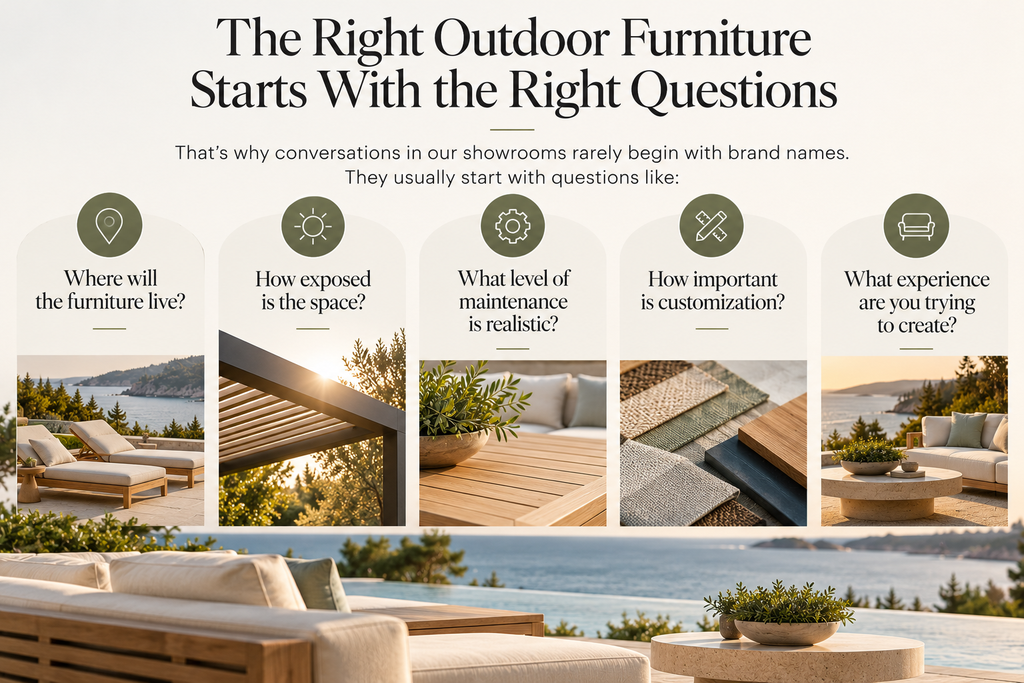
That’s why conversations in our showrooms rarely begin with brand names.
They usually start with questions like:
- Where will the furniture live?
- How exposed is the space?
- What level of maintenance is realistic?
- How important is customization?
- What experience are you trying to create?
Once those answers become clear, narrowing the field becomes much easier. Once those answers become clear, narrowing the field becomes much easier. If you’d like expert guidance before making a decision, our team can help you compare brands based on your project’s unique requirements.
The good news is that many of today’s leading outdoor furniture brands have earned their reputations for a reason. Dedon, Brown Jordan, Gloster, Kettal, Royal Botania, and Barlow Tyrie all create exceptional collections.
The differences appear when you start looking at materials, comfort, customization, lead times, and long-term performance.
If you’re comparing luxury outdoor furniture brands for an upcoming residential, hospitality, or landscape project, here’s how we tend to think about them.
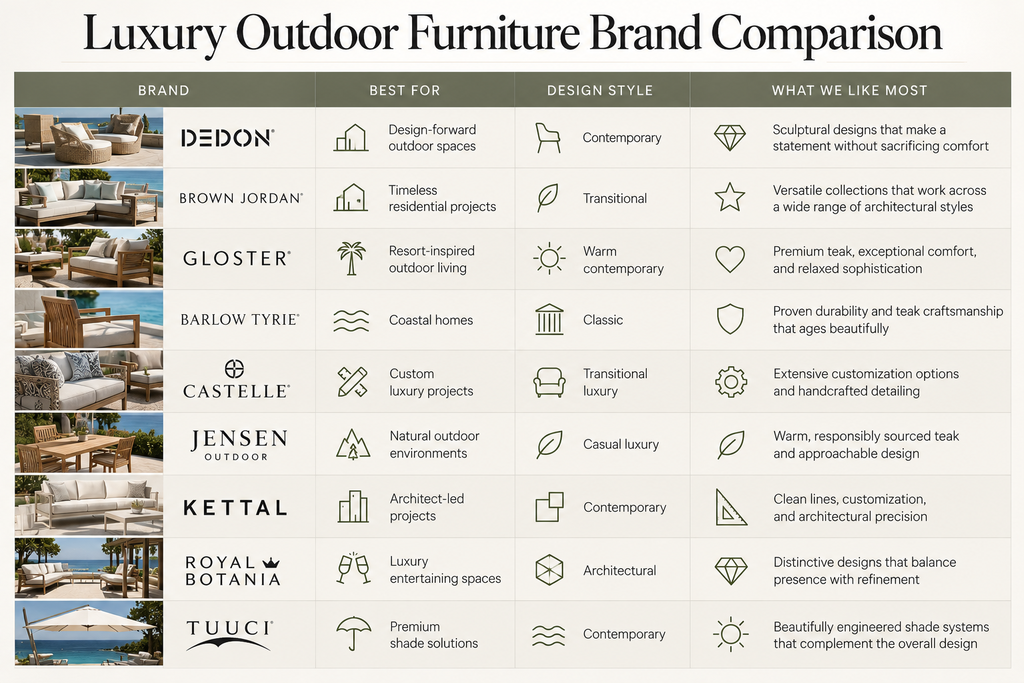
Luxury Outdoor Furniture Brand Comparison
| Brand | Best For | Design Style | What We Like Most |
| Dedon | Design-forward outdoor spaces | Contemporary | Sculptural designs that make a statement without sacrificing comfort |
| Brown Jordan | Timeless residential projects | Transitional | Versatile collections that work across a wide range of architectural styles |
| Gloster | Resort-inspired outdoor living | Warm contemporary | Premium teak, exceptional comfort, and relaxed sophistication |
| Barlow Tyrie | Coastal homes | Classic | Proven durability and teak craftsmanship that ages beautifully |
| Castelle | Custom luxury projects | Transitional luxury | Extensive customization options and handcrafted detailing |
| Jensen Outdoor | Natural outdoor environments | Casual luxury | Warm, responsibly sourced teak and approachable design |
| Kettal | Architect-led projects | Contemporary | Clean lines, customization, and architectural precision |
| Royal Botania | Luxury entertaining spaces | Architectural | Distinctive designs that balance presence with refinement |
| Tuuci | Premium shade solutions | Contemporary | Beautifully engineered shade systems that complement the overall design |
Which Luxury Outdoor Furniture Brand Fits Your Project?
This is usually where the conversation gets interesting.
Dedon, Gloster, Brown Jordan, Kettal, and Royal Botania all make exceptional outdoor furniture.
The challenge isn’t finding a good brand, but it’s finding the brand that feels right for the project. Choosing the right outdoor furniture brand often comes down to how the space will actually be used.
A collection that works beautifully on a waterfront property may not be the best fit for a contemporary rooftop terrace. Likewise, furniture that looks perfect in a presentation may not align with how your client actually plans to use the space.
That’s why we typically start with the project and work backward from there.
Still deciding which direction makes the most sense?
Many of the projects we work on begin with the same questions: Which materials will perform best? How much customization is available? Which collections fit the architecture without overwhelming the space?
If you’d like a second opinion, we’re happy to talk through your project and help you compare options based on how the space will actually be used.
Dedon: Best for Design-Forward Outdoor Spaces
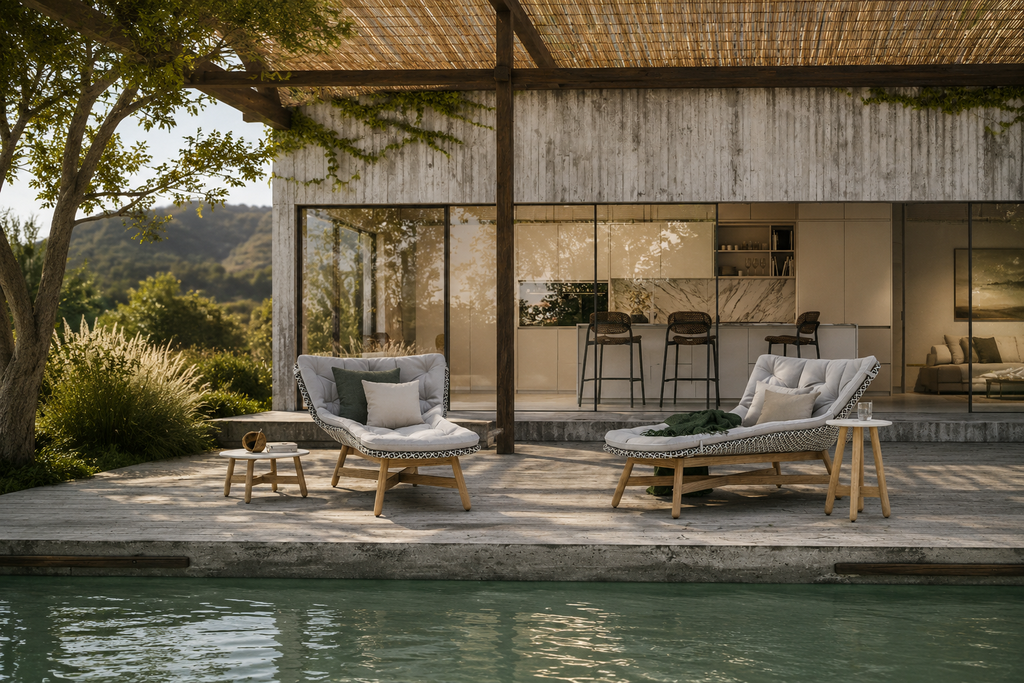
If the furniture is expected to be part of the design statement, Dedon is usually one of the first brands worth exploring.
Dedon built its reputation around woven luxury outdoor furniture that feels sculptural without sacrificing comfort. Many collections blur the line between furniture and art, which is one reason the brand remains popular in luxury hospitality and high-end residential projects.
Where Dedon often works best:
- Contemporary residences
- Waterfront homes
- Boutique hospitality projects
- Resort-inspired outdoor spaces
One of the reasons designers continue specifying Dedon is that the furniture feels distinctive without becoming trendy. The woven forms create visual interest, but the collections still feel relevant years later. That balance isn’t always easy to find.
One thing we often discuss with designers is scale. Many Dedon collections have a strong visual presence. In the right project, that’s exactly what makes them successful. In smaller spaces, a quieter collection may be the better choice.
Brown Jordan: Best for Timeless Residential Projects
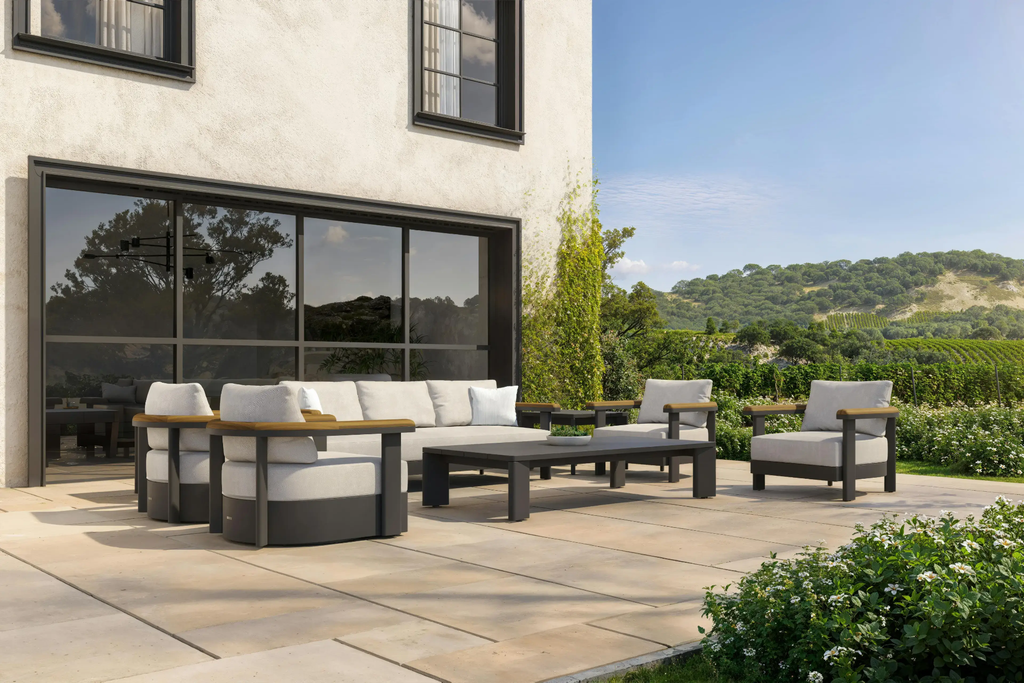
Some furniture feels current for a few years. Brown Jordan tends to feel current for decades.
That’s one reason designers continue specifying the brand across a wide range of residential projects.
Brown Jordan doesn’t rely on trends. Instead, the collections focus on proportion, comfort, and versatility. The result is furniture that ages gracefully alongside the architecture around it.
Brown Jordan is a strong fit for:
- Luxury residences
- Second homes
- Transitional architecture
- Long-term residential investments
Your clients may not always recognize the name immediately. What they usually recognize is how naturally the furniture fits into the overall environment.
Brown Jordan rarely tries to steal attention from the space.
Instead, it supports it.
Gloster: Best for Warm, Resort-Inspired Living
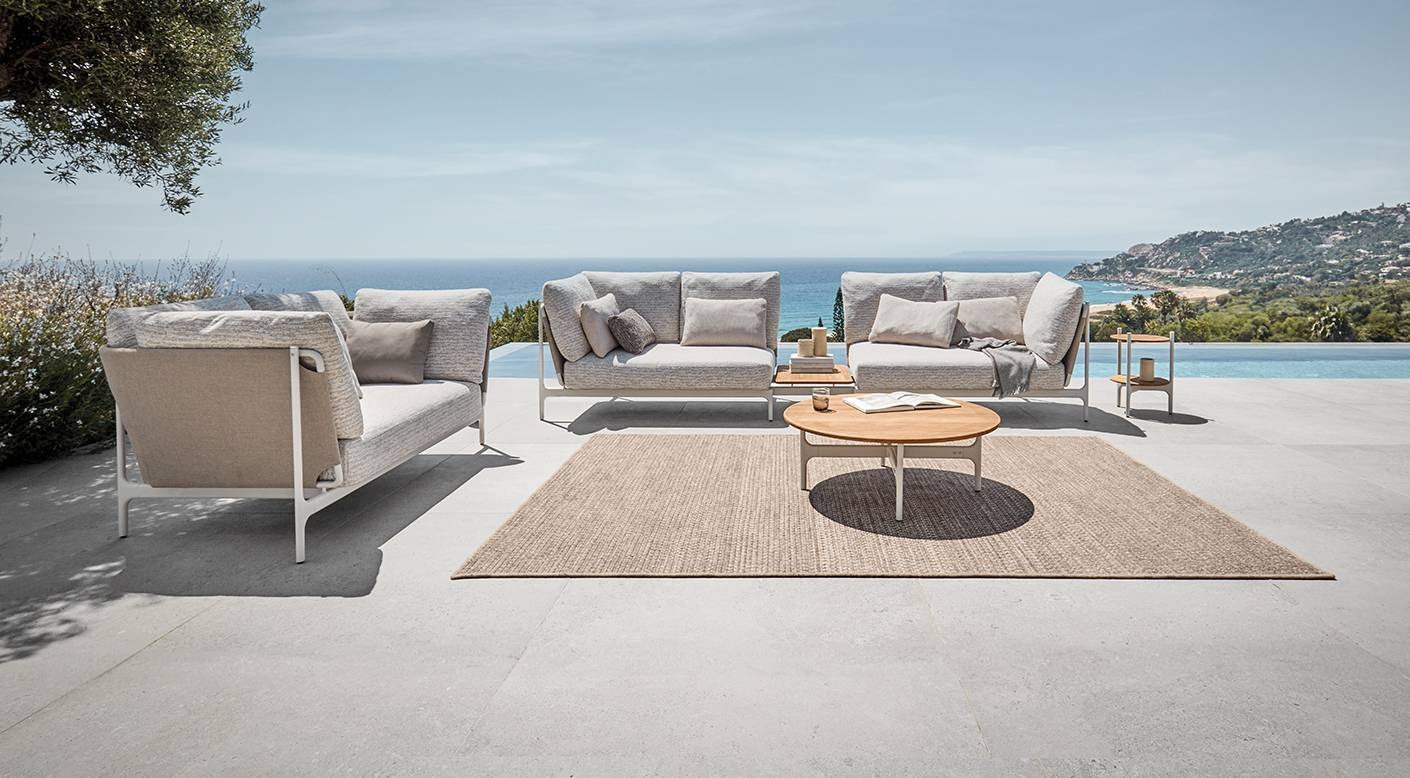
Gloster has become one of the most requested brands among clients looking to create an outdoor retreat rather than simply furnish a patio.
The collections feel warm, inviting, and comfortable. That sounds simple, but it’s surprisingly difficult to achieve at a high level.
Gloster’s teak craftsmanship plays a major role here.
The material brings natural warmth to outdoor spaces while maintaining the durability you expect from premium furnishings.
Gloster frequently works well for:
- Luxury backyard transformations
- Indoor-outdoor living environments
- Waterfront homes
- Resort-inspired residential projects
One of the reasons many designers return to Gloster is balance.
The furniture feels elevated without feeling formal. Clients tend to respond well to that.
Kettal: Best for Architect-Led Projects
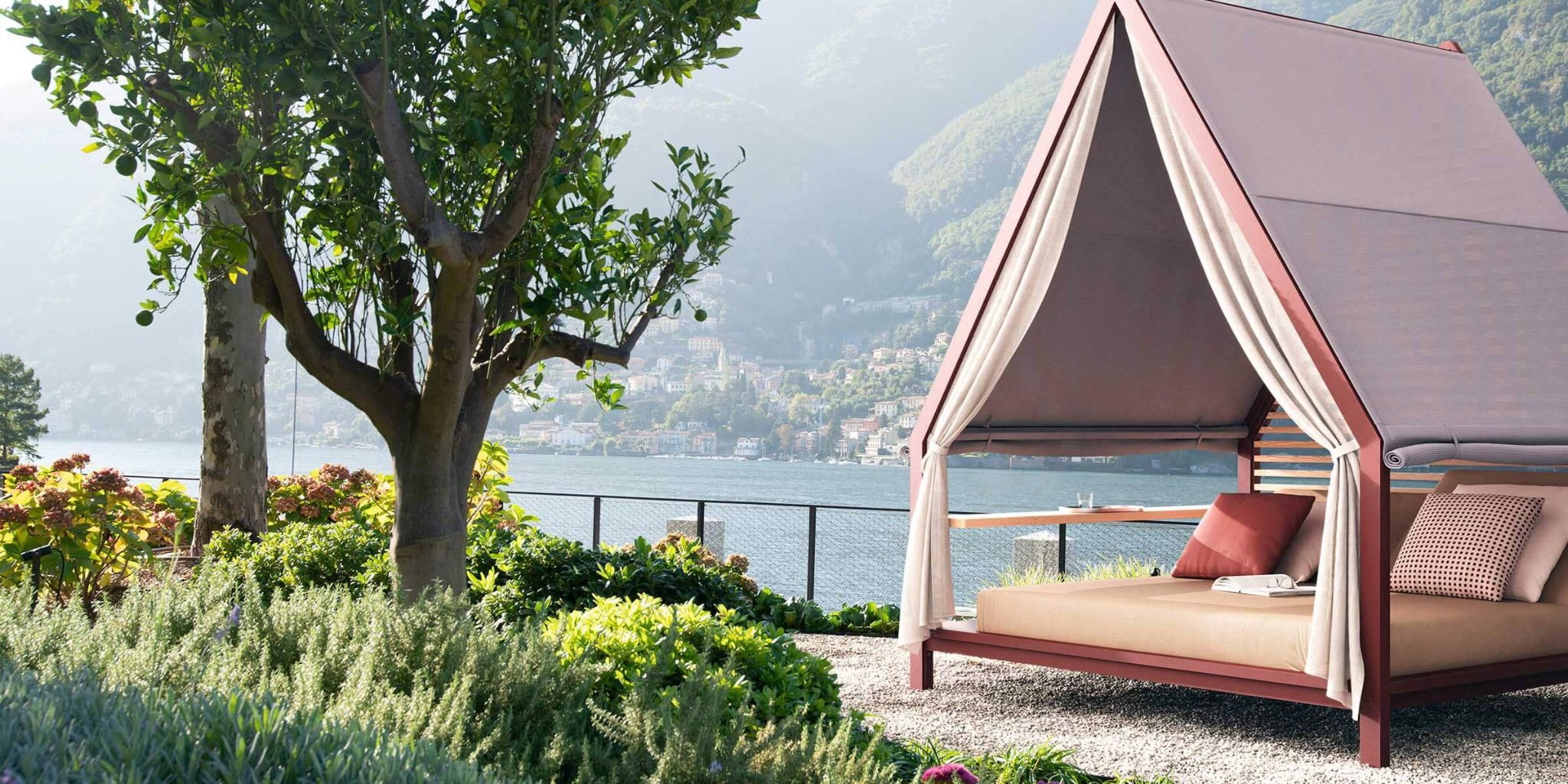
When customization becomes a major priority, Kettal usually enters the conversation quickly.
The brand is known for clean lines, thoughtful material combinations, and extensive flexibility across finishes, fabrics, and configurations. Many architect-led projects like yours require furniture that integrates seamlessly into a larger design vision.
And Kettal excels in those situations.
The collections often complement modern architecture without competing with it.
Kettal is especially effective for:
- Contemporary residences
- Rooftop terraces
- Custom luxury homes
- Architect-driven projects
Designers often appreciate how much control they have throughout the specification process. When details matter, flexibility becomes valuable.
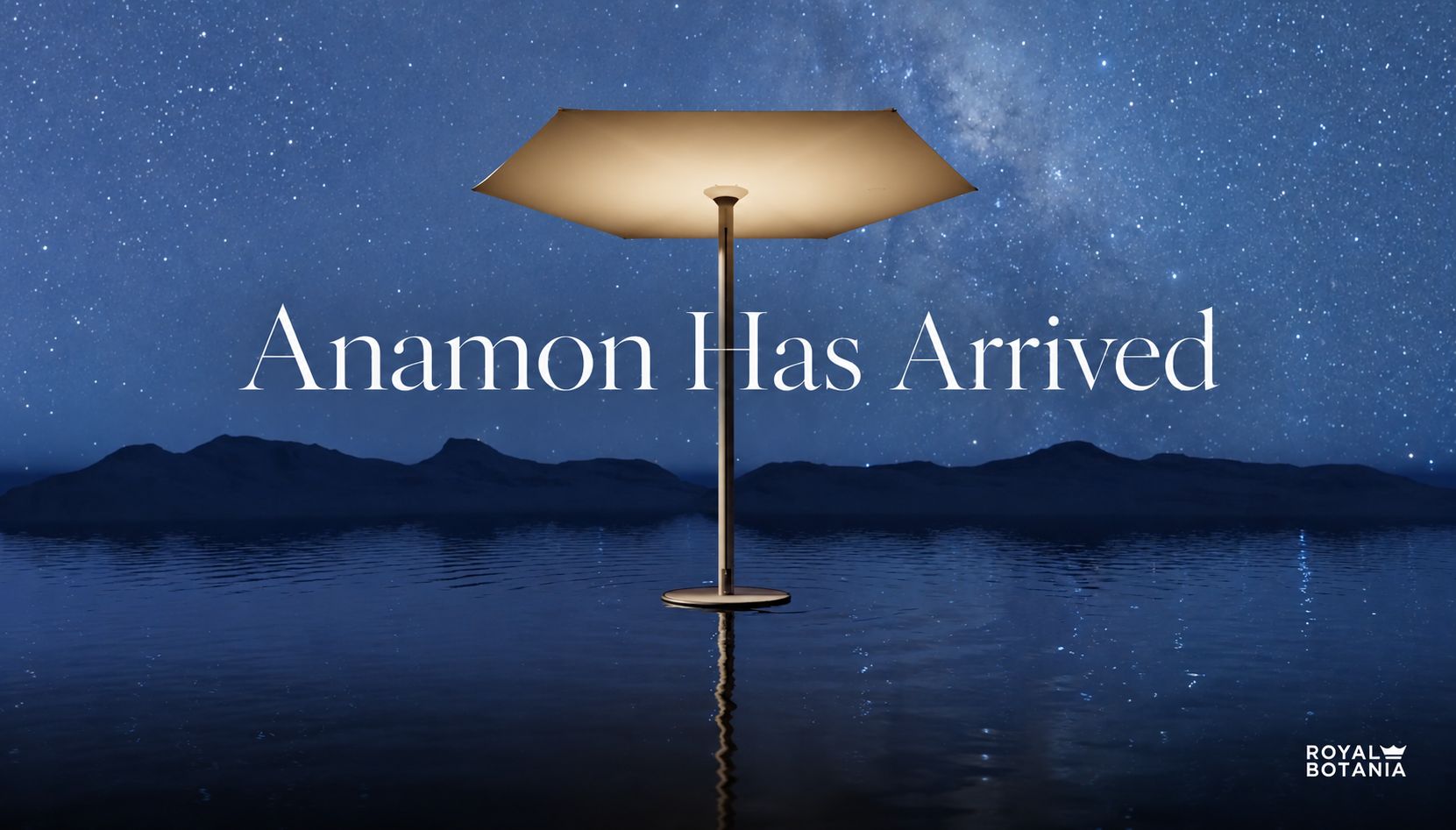
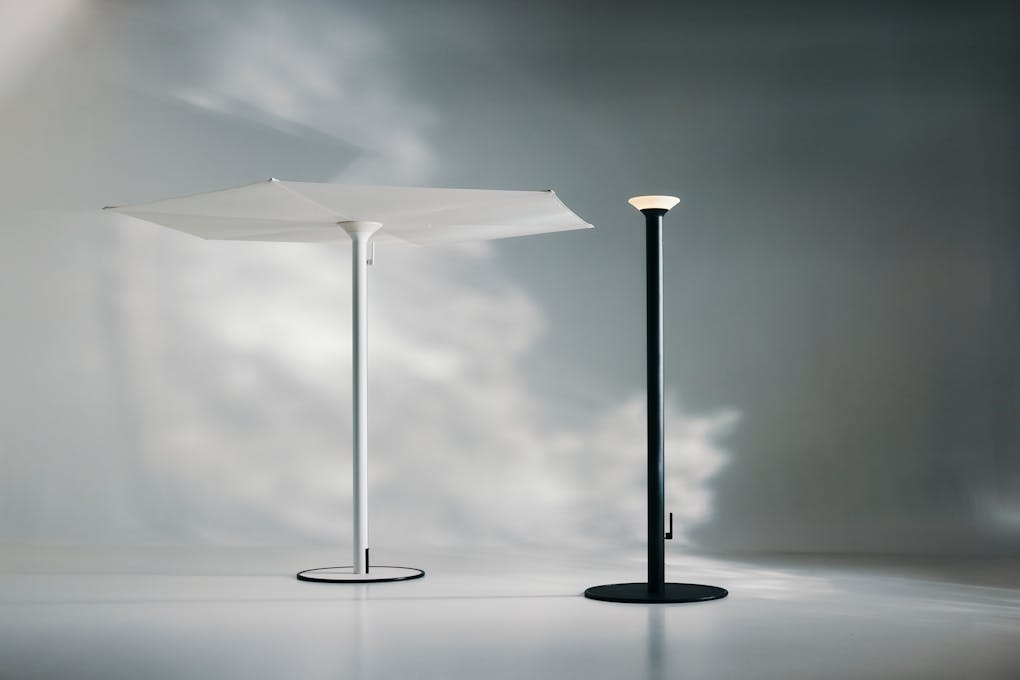
Royal Botania: Best for Premium Entertaining Spaces
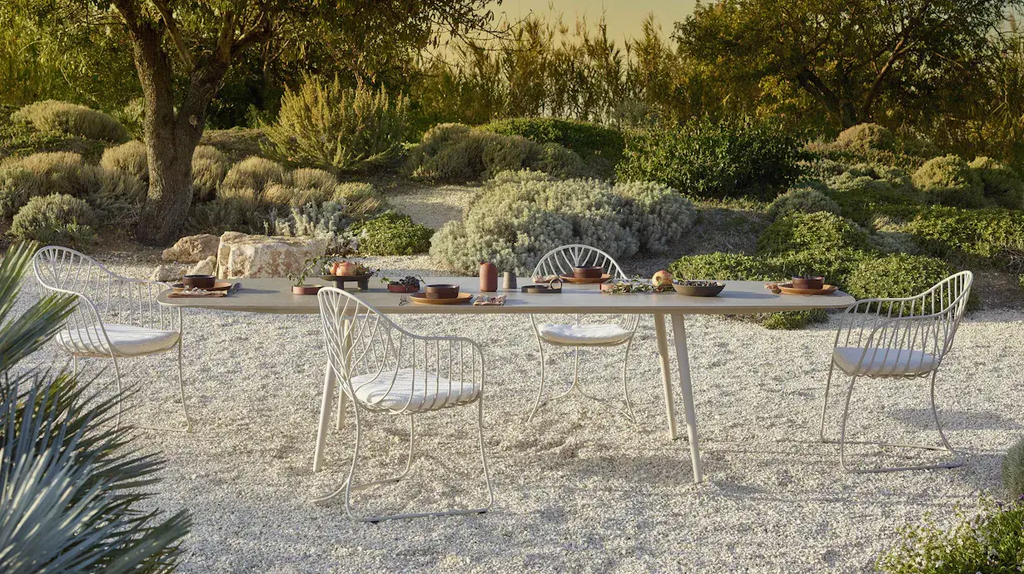
Royal Botania tends to appeal to clients who want outdoor spaces that feel substantial and refined.
The collections often combine teak and metal in ways that create strong architectural presence without feeling heavy. Many pieces feel equally suited for entertaining, relaxing, or everyday use.
Projects where Royal Botania often performs exceptionally well include:
- Large outdoor entertaining areas
- Luxury residences
- Contemporary landscapes
- Custom outdoor living environments
The furniture feels purposeful. That quality resonates with both designers and homeowners.
Barlow Tyrie: Best for Coastal Homes
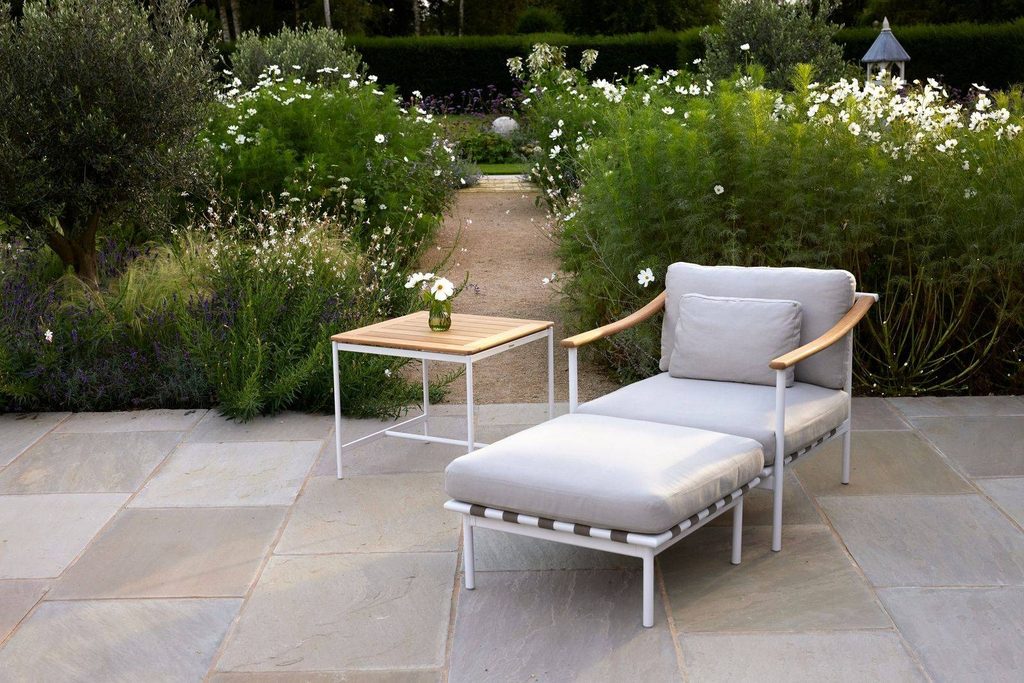
If your project is located near the water, Barlow Tyrie is often one of the first brands worth considering.
The company has built its reputation around teak craftsmanship and long-term durability. For designers working in coastal environments, those qualities matter.
Salt air, moisture, and year-round exposure can be demanding on outdoor furniture. Barlow Tyrie has decades of experience creating products that hold up well in those conditions.
Where Barlow Tyrie often works best:
- Coastal homes
- Traditional residences
- Garden-focused landscapes
- Long-term ownership projects
What you often appreciate is the confidence that comes with specifying the brand.
The furniture doesn’t need to shout for attention. Instead, it quietly performs year after year.
Many collections actually become more attractive as the teak naturally ages and develops its silver-gray patina, especially when owners understand proper outdoor furniture care and maintenance. That’s one reason Barlow Tyrie remains a trusted recommendation for those who are focused on longevity.
Jensen Outdoor: Best for Natural Warmth and Teak-Focused Designs
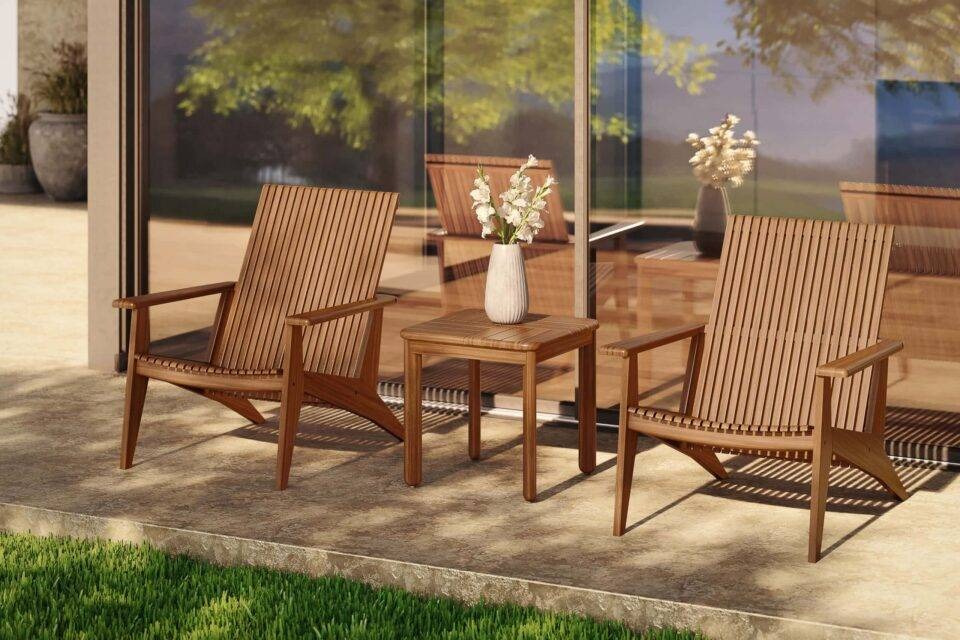
If the goal is creating an outdoor environment that feels warm, welcoming, and connected to nature, Jensen Outdoor should be part of your list to be considered.
The brand is known for responsibly sourced teak and collections that feel relaxed without sacrificing quality.
Where Jensen Outdoor often works best:
- Residential projects
- Natural landscape settings
- Casual luxury environments
- Mountain and waterfront homes
What designers often appreciate is the material story.
Teak naturally develops character over time, and Jensen Outdoor embraces that process. The collections feel approachable and easy to live with, which resonates with many homeowners.
For clients who value natural materials and understated luxury, Jensen Outdoor often checks a lot of boxes.
Tuuci: Best for Luxury Shade Solutions
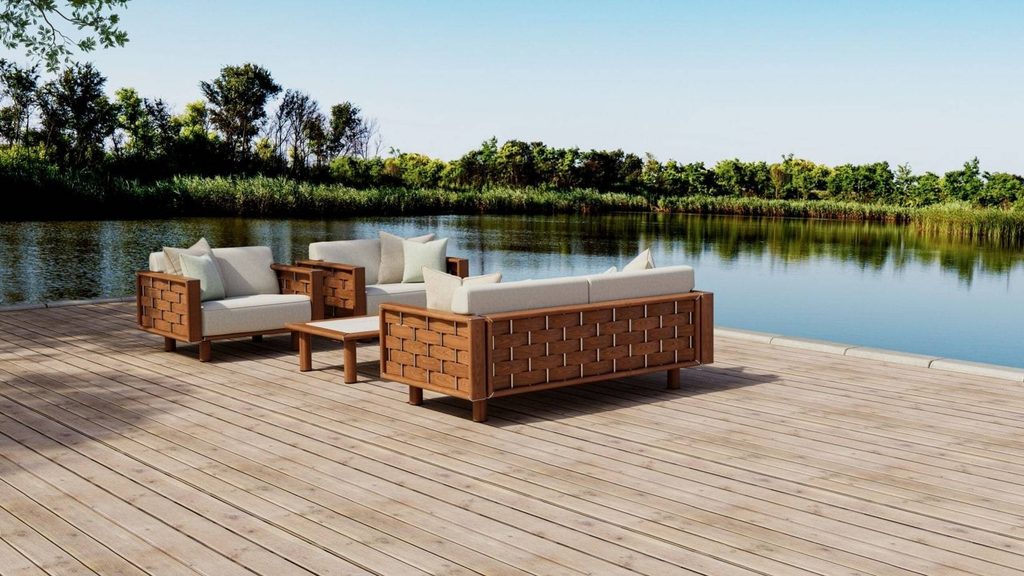
Shade is often one of the last things discussed during a project. It probably shouldn’t be.
A beautifully furnished outdoor space becomes much less inviting when nobody wants to sit in it during the hottest part of the day. That’s one reason Tuuci appears in so many luxury residential and hospitality projects.
The company has built its reputation around premium shade systems that combine performance with thoughtful design.
Where Tuuci often works best:
- Poolside environments
- Outdoor dining areas
- Hospitality projects
- High-exposure outdoor spaces
What many designers often appreciate is that Tuuci products feel designed rather than engineered. The structures are functional, but they also contribute to the overall aesthetic of the space.
That’s not always the case with shade solutions. The best installations often feel like they were planned from the beginning rather than added later.
Tuuci helps make that possible.
Before We Start Comparing Brands
Before we start comparing brands, I’d usually want to know a little more about the project.
- Is this a waterfront property?
- How exposed is the space?
- How important is customization?
- Are we designing around the architecture, or do you want the furniture to become part of the focal point?
- And just as importantly, how does your client plan to use the space?
A backyard designed for large gatherings often leads us in a different direction than a vacation property used a few weeks each year.
Those details tend to narrow the options surprisingly quickly. Because once we understand the project, the right collections usually start rising to the top.
Where We’d Usually Start Looking
Not every project needs the same solution. If you walked into the showroom and described one of these project types, here’s where we’d probably start.
| Project Type | Brands We Often Recommend |
| Coastal Homes | Barlow Tyrie, Gloster, Royal Botania |
| Contemporary Architecture | Kettal, Dedon, Royal Botania |
| Resort-Inspired Outdoor Living | Gloster, Dedon, Tuuci |
| Custom Residential Projects | Castelle, Kettal |
| Natural Outdoor Environments | Jensen Outdoor, Gloster |
| Luxury Entertaining Spaces | Royal Botania, Brown Jordan |
| Hospitality Projects | Dedon, Tuuci, Kettal |
| Family-Focused Outdoor Living | Brown Jordan, Gloster, Jensen Outdoor |
This isn’t a formula. It’s simply where we’d start the conversation.
Why We Rarely Recommend a Single Brand
One thing we see all the time is designers assuming they need to commit to a single manufacturer.You really don’t.
In fact, some of our favorite projects combine products from several manufacturers. Each brand tends to solve a different problem well.
That’s one reason we rarely approach outdoor living as a single-brand exercise. Some of the best outdoor spaces combine products from several brands.
- You might fall in love with a Gloster dining collection.
- The lounge seating could end up being Dedon.
- The shade solution might be Tuuci.
- And if the client wants to extend the season, we may start talking about Heat Sail.
That’s completely normal.
The goal isn’t to find one perfect brand but to build the right outdoor experience.
Sometimes that means pulling the best pieces from different manufacturers to support the way the space will actually be used. That’s usually where the most interesting projects end up.
Ready to compare collections in person?
The right outdoor furniture often becomes much clearer when you can experience the comfort, materials, proportions, and craftsmanship firsthand.
Visit one of our showrooms (Seattle or Portland) to explore leading luxury outdoor furniture brands, compare collections side by side, and get expert guidance tailored to your project. Schedule a showroom visit or contact our team to start the conversation.
Frequently Asked Questions
Which luxury outdoor furniture brand lasts the longest?
Longevity depends on materials, environment, maintenance, and warranty coverage, but brands like Barlow Tyrie, Gloster, Brown Jordan, and Royal Botania have built strong reputations for long-term durability. Teak and high-quality aluminum collections often perform exceptionally well over time.
What outdoor furniture brand works best for coastal homes?
For coastal projects, we frequently recommend brands such as Barlow Tyrie, Gloster, and Royal Botania. Material selection is often just as important as the brand itself, particularly in environments exposed to salt air and moisture.
Can you mix outdoor furniture brands in the same project?
Absolutely. In fact, many of the most successful outdoor spaces combine multiple brands. A designer might specify one manufacturer for dining, another for lounge seating, and a third for shade or outdoor comfort solutions.
Is teak always the best outdoor furniture material?
Not necessarily. Teak is one of the most trusted outdoor materials available, but understanding long-term maintenance requirements is equally important. Aluminum, woven fiber, stainless steel, and performance fabrics can all be excellent options depending on the environment and maintenance expectations.
How early should outdoor furniture be specified?
Earlier than most people think. Outdoor furnishings are often discussed near the end of a project, but lead times, customization options, and delivery timelines can influence decisions much earlier.
Which brands work best for contemporary homes?
For contemporary architecture, designers frequently explore Dedon, Kettal, and Royal Botania. These brands tend to offer the clean lines, material refinement, and customization flexibility that modern projects often require.
The Right Fit Matters More Than the Logo
After all the work that goes into designing an outdoor space, the last thing you want is a recommendation that doesn’t hold up.
Your clients remember when a product works and they also remember when it doesn’t.
That’s why we spend so much time talking about comfort, materials, customization, and how a space will actually be used before we start narrowing options.
The brands in this guide have earned their reputations for a reason. The key is knowing when each one makes the most sense.
Some decisions become much easier once you’re standing in front of the furniture.
- You notice proportions.
- You notice comfort.
- You notice details that never come across in a presentation board.
That’s usually where the right direction starts to become clear.