Tag: Interior Designers

  • 9 Luxury Outdoor Furniture Brands We Recommend Most

    9 Luxury Outdoor Furniture Brands We Recommend Most

    Choosing between luxury outdoor furniture brands isn’t usually about finding the most expensive option.

    As a designer, you already know there are plenty of beautiful collections on the market. The challenge is finding the brand that fits the project.
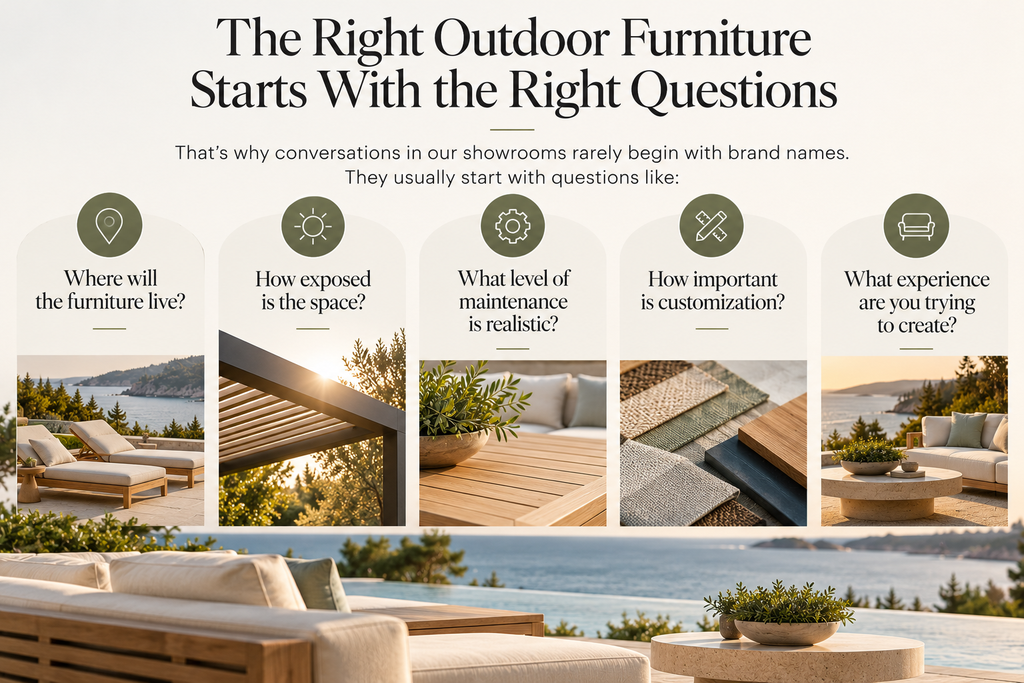
    Terris Draheim infographic highlighting five questions used to guide luxury outdoor furniture recommendations, including location, exposure, maintenance, customization, and the outdoor experience the client wants to create.

    A waterfront home has different demands than a rooftop terrace. A resort-inspired backyard requires a different approach than a minimalist architectural residence. The furniture that looks perfect in a presentation may not be the furniture that performs best once clients start living with it.

    That’s why conversations in our showrooms rarely begin with brand names.

    They usually start with questions like:

    • Where will the furniture live?
    • How exposed is the space?
    • What level of maintenance is realistic?
    • How important is customization?
    • What experience are you trying to create?

    Once those answers become clear, narrowing the field becomes much easier. Once those answers become clear, narrowing the field becomes much easier. If you’d like expert guidance before making a decision, our team can help you compare brands based on your project’s unique requirements.

    The good news is that many of today’s leading outdoor furniture brands have earned their reputations for a reason. Dedon, Brown Jordan, Gloster, Kettal, Royal Botania, and Barlow Tyrie all create exceptional collections.

    The differences appear when you start looking at materials, comfort, customization, lead times, and long-term performance.

    If you’re comparing luxury outdoor furniture brands for an upcoming residential, hospitality, or landscape project, here’s how we tend to think about them.


    Luxury Outdoor Furniture Brand Comparison

    BrandBest ForDesign StyleWhat We Like Most
    DedonDesign-forward outdoor spacesContemporarySculptural designs that make a statement without sacrificing comfort
    Brown JordanTimeless residential projectsTransitionalVersatile collections that work across a wide range of architectural styles
    GlosterResort-inspired outdoor livingWarm contemporaryPremium teak, exceptional comfort, and relaxed sophistication
    Barlow TyrieCoastal homesClassicProven durability and teak craftsmanship that ages beautifully
    CastelleCustom luxury projectsTransitional luxuryExtensive customization options and handcrafted detailing
    Jensen OutdoorNatural outdoor environmentsCasual luxuryWarm, responsibly sourced teak and approachable design
    KettalArchitect-led projectsContemporaryClean lines, customization, and architectural precision
    Royal BotaniaLuxury entertaining spacesArchitecturalDistinctive designs that balance presence with refinement
    TuuciPremium shade solutionsContemporaryBeautifully engineered shade systems that complement the overall design

    Which Luxury Outdoor Furniture Brand Fits Your Project?

    This is usually where the conversation gets interesting.

    Dedon, Gloster, Brown Jordan, Kettal, and Royal Botania all make exceptional outdoor furniture.

    The challenge isn’t finding a good brand, but it’s finding the brand that feels right for the project. Choosing the right outdoor furniture brand often comes down to how the space will actually be used. 

    A collection that works beautifully on a waterfront property may not be the best fit for a contemporary rooftop terrace. Likewise, furniture that looks perfect in a presentation may not align with how your client actually plans to use the space.

    That’s why we typically start with the project and work backward from there.
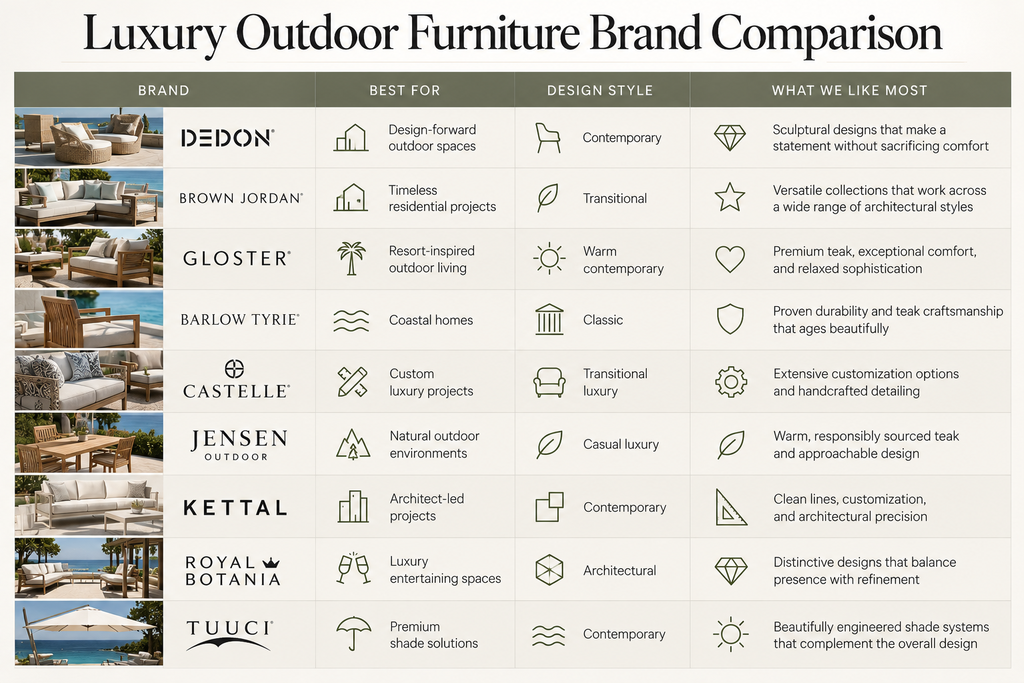
    Terris Draheim infographic comparing nine luxury outdoor furniture brands, including Dedon, Brown Jordan, Gloster, Barlow Tyrie, Castelle, Jensen Outdoor, Kettal, Royal Botania, and Tuuci by design style, best use, and standout qualities.

    Still deciding which direction makes the most sense?

    Many of the projects we work on begin with the same questions: Which materials will perform best? How much customization is available? Which collections fit the architecture without overwhelming the space?

    If you’d like a second opinion, we’re happy to talk through your project and help you compare options based on how the space will actually be used.

    Dedon: Best for Design-Forward Outdoor Spaces
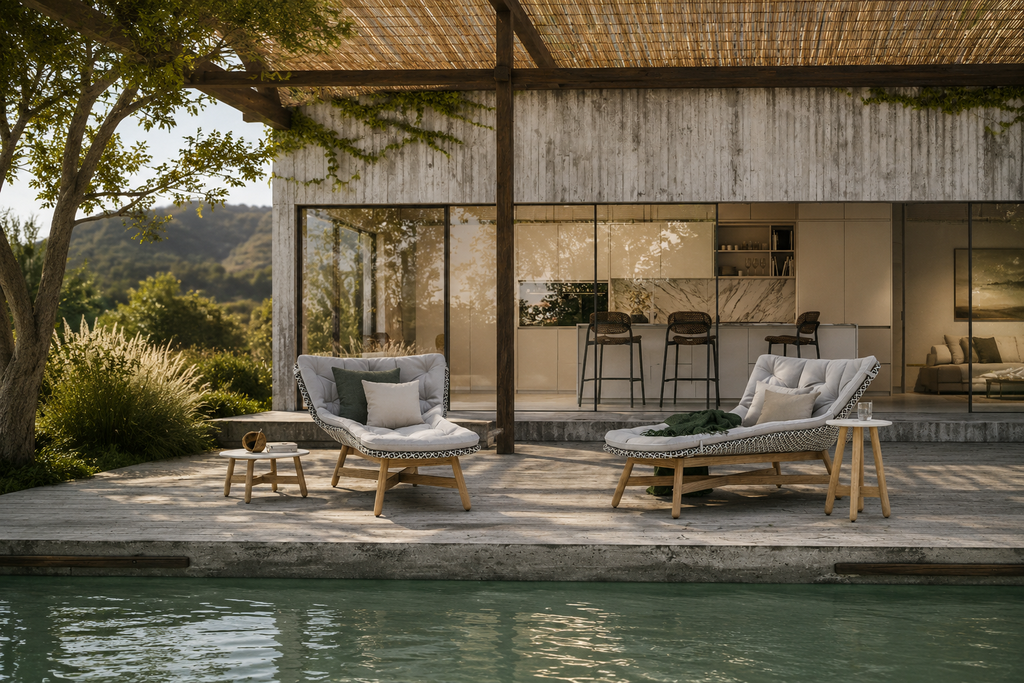
    If the furniture is expected to be part of the design statement, Dedon is usually one of the first brands worth exploring.

    Dedon built its reputation around woven luxury outdoor furniture that feels sculptural without sacrificing comfort. Many collections blur the line between furniture and art, which is one reason the brand remains popular in luxury hospitality and high-end residential projects.

    Where Dedon often works best:

    • Contemporary residences
    • Waterfront homes
    • Boutique hospitality projects
    • Resort-inspired outdoor spaces

    One of the reasons designers continue specifying Dedon is that the furniture feels distinctive without becoming trendy. The woven forms create visual interest, but the collections still feel relevant years later. That balance isn’t always easy to find.

    One thing we often discuss with designers is scale. Many Dedon collections have a strong visual presence. In the right project, that’s exactly what makes them successful. In smaller spaces, a quieter collection may be the better choice.

    Brown Jordan: Best for Timeless Residential Projects
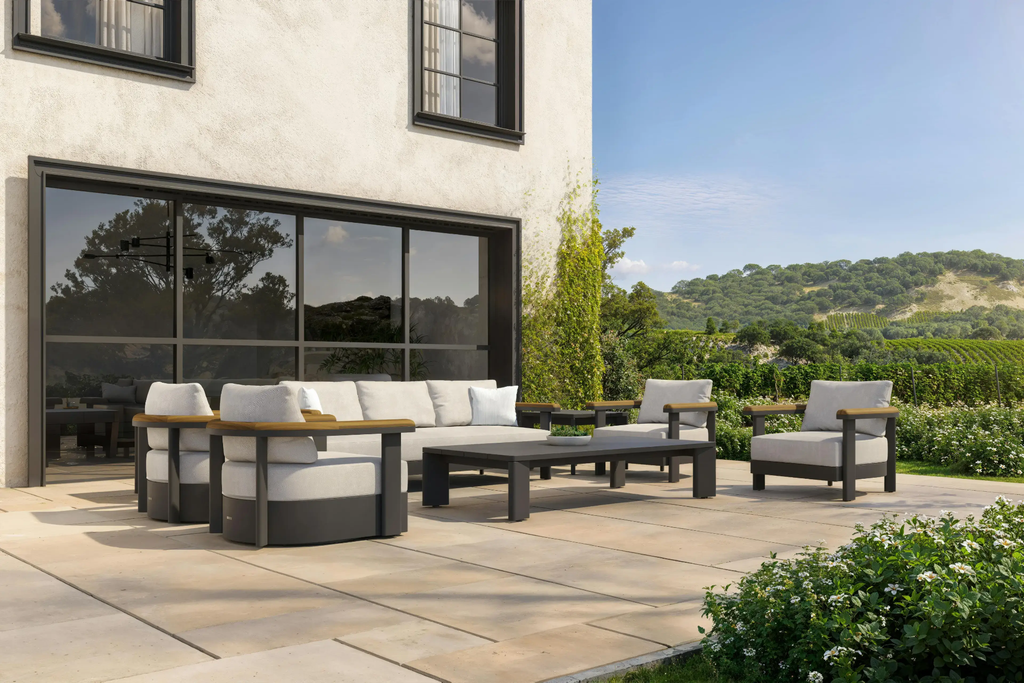
    Some furniture feels current for a few years. Brown Jordan tends to feel current for decades.

    That’s one reason designers continue specifying the brand across a wide range of residential projects.

    Brown Jordan doesn’t rely on trends. Instead, the collections focus on proportion, comfort, and versatility. The result is furniture that ages gracefully alongside the architecture around it.

    Brown Jordan is a strong fit for:

    • Luxury residences
    • Second homes
    • Transitional architecture
    • Long-term residential investments

    Your clients may not always recognize the name immediately. What they usually recognize is how naturally the furniture fits into the overall environment.

    Brown Jordan rarely tries to steal attention from the space. 

    Instead, it supports it.

    Gloster: Best for Warm, Resort-Inspired Living
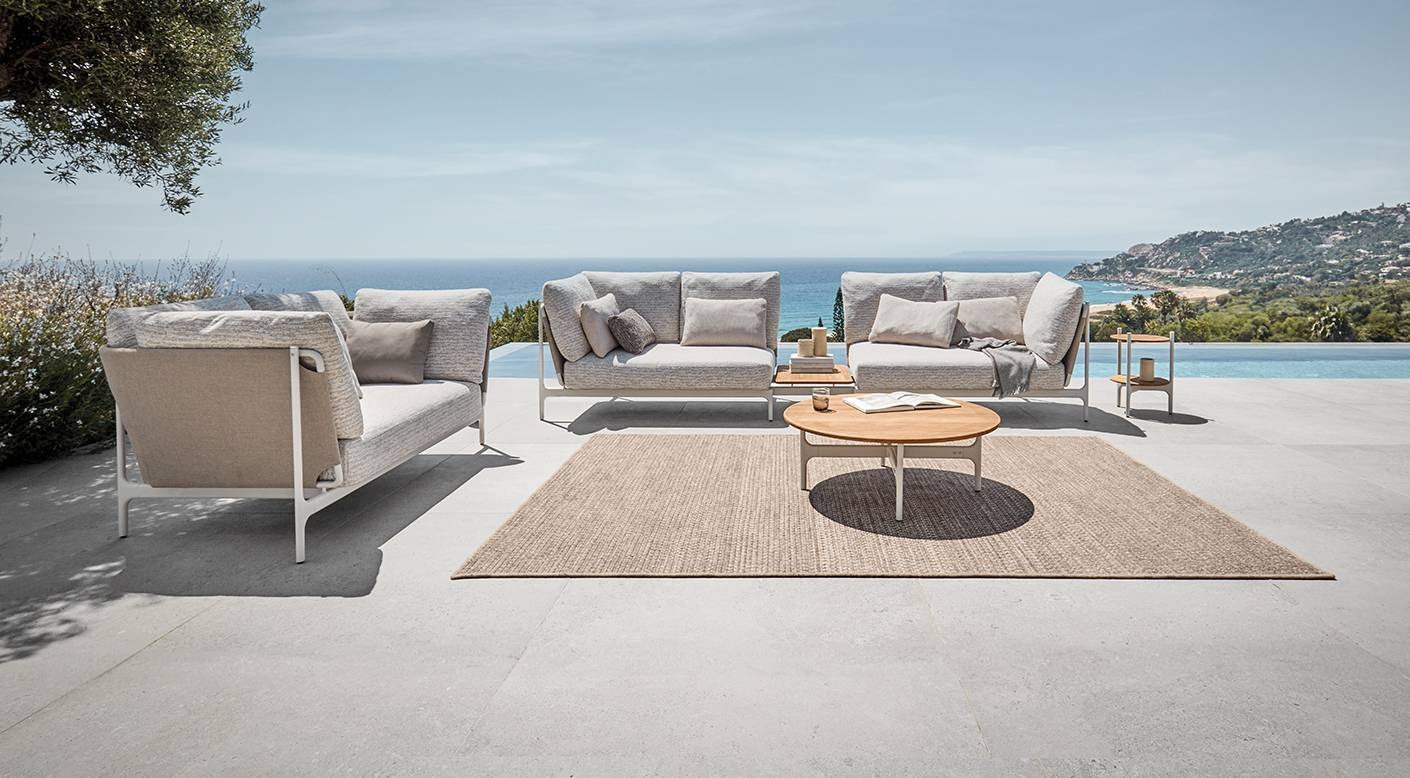
    Gloster has become one of the most requested brands among clients looking to create an outdoor retreat rather than simply furnish a patio.

    The collections feel warm, inviting, and comfortable. That sounds simple, but it’s surprisingly difficult to achieve at a high level.

    Gloster’s teak craftsmanship plays a major role here.

    The material brings natural warmth to outdoor spaces while maintaining the durability you expect from premium furnishings.

    Gloster frequently works well for:

    • Luxury backyard transformations
    • Indoor-outdoor living environments
    • Waterfront homes
    • Resort-inspired residential projects

    One of the reasons many designers return to Gloster is balance.

    The furniture feels elevated without feeling formal. Clients tend to respond well to that.

    Kettal: Best for Architect-Led Projects
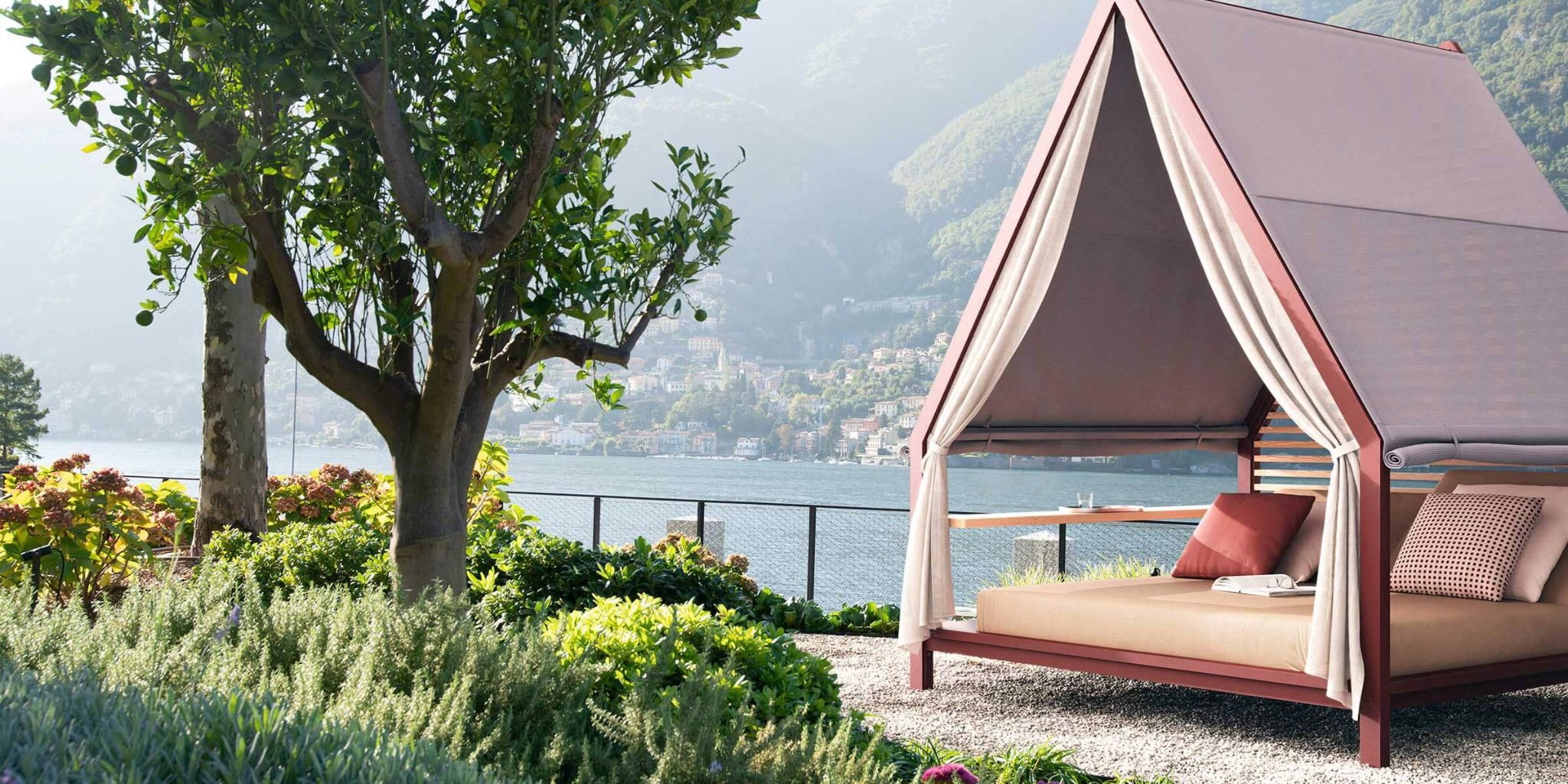
    When customization becomes a major priority, Kettal usually enters the conversation quickly.

    The brand is known for clean lines, thoughtful material combinations, and extensive flexibility across finishes, fabrics, and configurations. Many architect-led projects like yours require furniture that integrates seamlessly into a larger design vision.

    And Kettal excels in those situations.

    The collections often complement modern architecture without competing with it.

    Kettal is especially effective for:

    • Contemporary residences
    • Rooftop terraces
    • Custom luxury homes
    • Architect-driven projects

    Designers often appreciate how much control they have throughout the specification process. When details matter, flexibility becomes valuable.

    Royal Botania: Best for Premium Entertaining Spaces
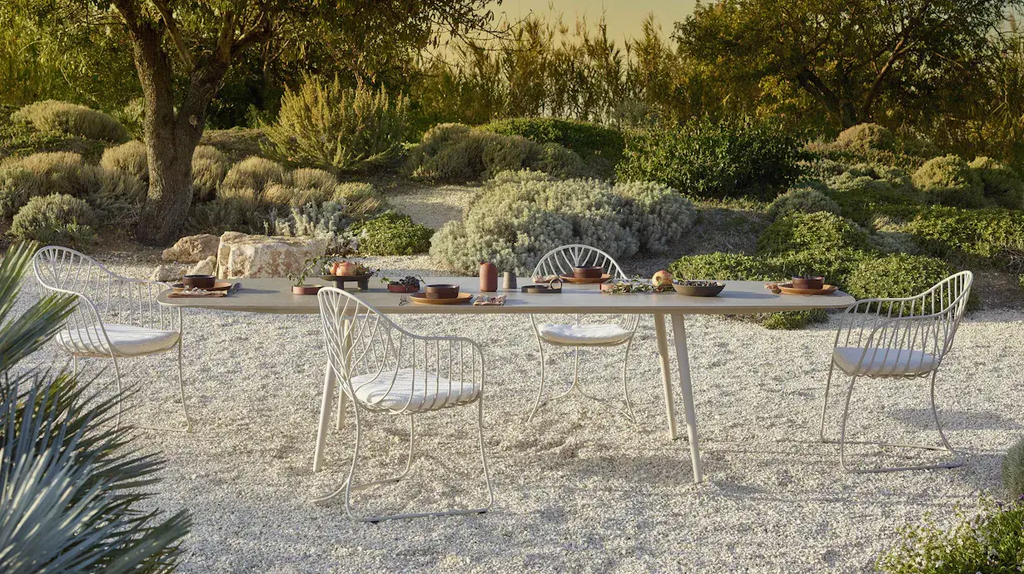
    Royal Botania tends to appeal to clients who want outdoor spaces that feel substantial and refined.

    The collections often combine teak and metal in ways that create strong architectural presence without feeling heavy. Many pieces feel equally suited for entertaining, relaxing, or everyday use.

    Projects where Royal Botania often performs exceptionally well include:

    • Large outdoor entertaining areas
    • Luxury residences
    • Contemporary landscapes
    • Custom outdoor living environments

    The furniture feels purposeful. That quality resonates with both designers and homeowners.

    Barlow Tyrie: Best for Coastal Homes
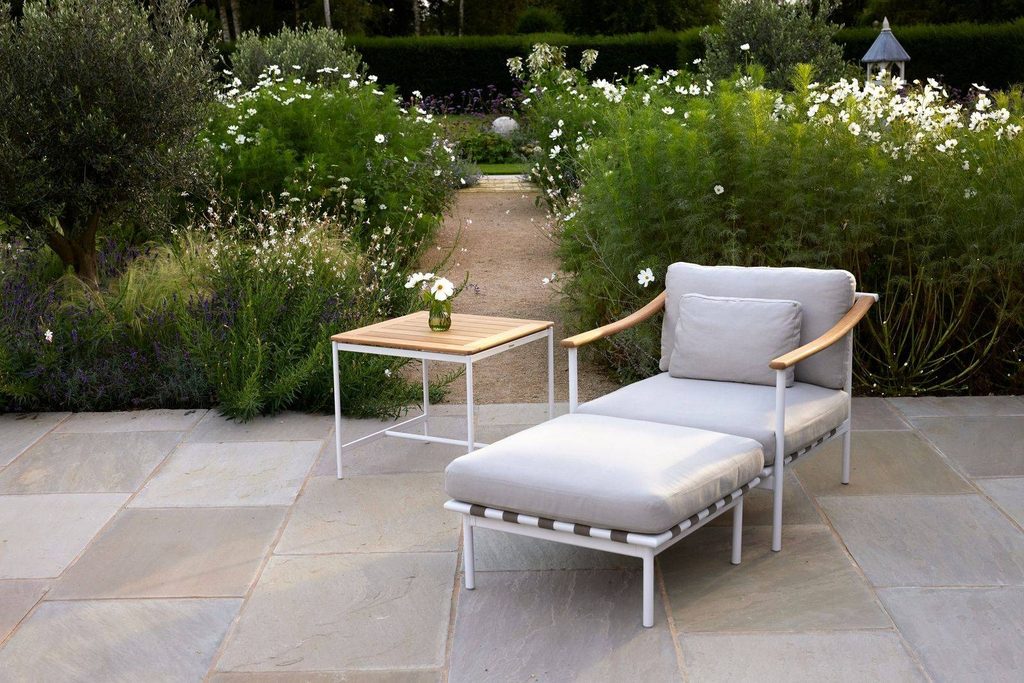
    If your project is located near the water, Barlow Tyrie is often one of the first brands worth considering.

    The company has built its reputation around teak craftsmanship and long-term durability. For designers working in coastal environments, those qualities matter.

    Salt air, moisture, and year-round exposure can be demanding on outdoor furniture. Barlow Tyrie has decades of experience creating products that hold up well in those conditions.

    Where Barlow Tyrie often works best:

    • Coastal homes
    • Traditional residences
    • Garden-focused landscapes
    • Long-term ownership projects

    What you often appreciate is the confidence that comes with specifying the brand.

    The furniture doesn’t need to shout for attention. Instead, it quietly performs year after year.

    Many collections actually become more attractive as the teak naturally ages and develops its silver-gray patina, especially when owners understand proper outdoor furniture care and maintenance. That’s one reason Barlow Tyrie remains a trusted recommendation for those who are focused on longevity.

    Jensen Outdoor: Best for Natural Warmth and Teak-Focused Designs
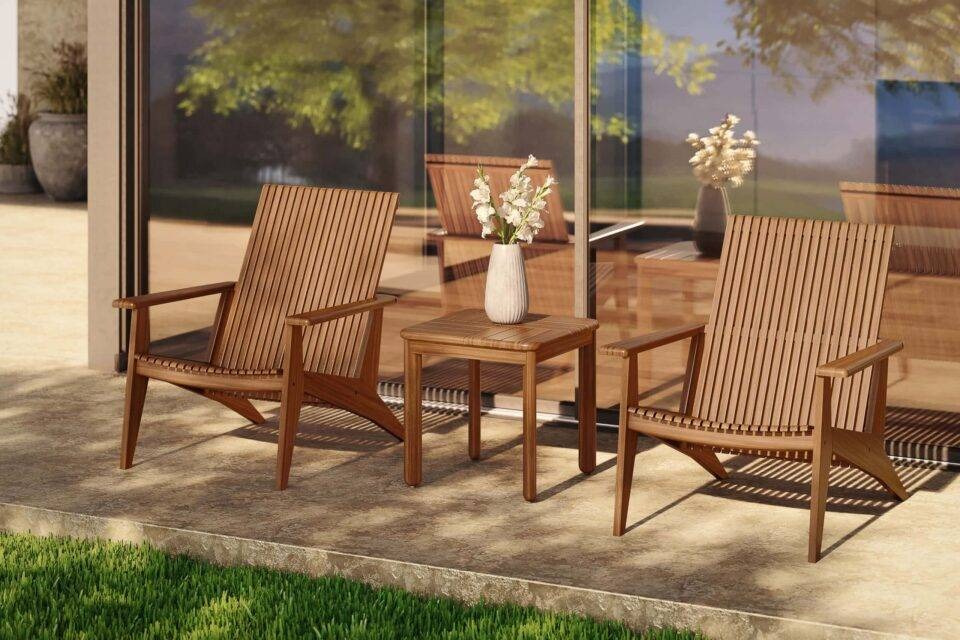
    If the goal is creating an outdoor environment that feels warm, welcoming, and connected to nature, Jensen Outdoor should be part of your list to be considered.

    The brand is known for responsibly sourced teak and collections that feel relaxed without sacrificing quality.

    Where Jensen Outdoor often works best:

    • Residential projects
    • Natural landscape settings
    • Casual luxury environments
    • Mountain and waterfront homes

    What designers often appreciate is the material story.

    Teak naturally develops character over time, and Jensen Outdoor embraces that process. The collections feel approachable and easy to live with, which resonates with many homeowners.

    For clients who value natural materials and understated luxury, Jensen Outdoor often checks a lot of boxes.

    Tuuci: Best for Luxury Shade Solutions
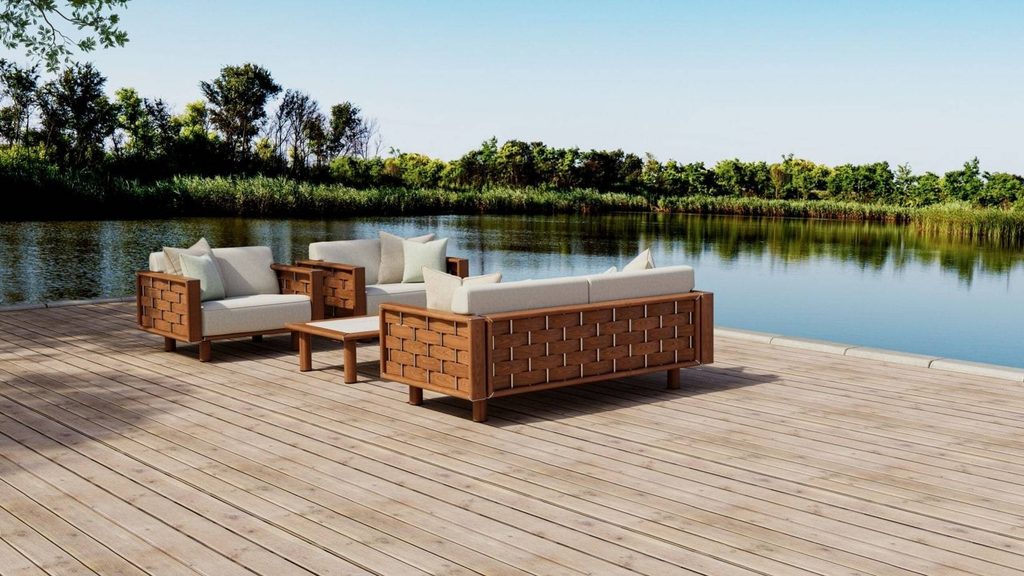
    Shade is often one of the last things discussed during a project. It probably shouldn’t be.

    A beautifully furnished outdoor space becomes much less inviting when nobody wants to sit in it during the hottest part of the day. That’s one reason Tuuci appears in so many luxury residential and hospitality projects.

    The company has built its reputation around premium shade systems that combine performance with thoughtful design.

    Where Tuuci often works best:

    • Poolside environments
    • Outdoor dining areas
    • Hospitality projects
    • High-exposure outdoor spaces

    What many designers often appreciate is that Tuuci products feel designed rather than engineered. The structures are functional, but they also contribute to the overall aesthetic of the space.

    That’s not always the case with shade solutions. The best installations often feel like they were planned from the beginning rather than added later.

    Tuuci helps make that possible.

    Before We Start Comparing Brands 

    Before we start comparing brands, I’d usually want to know a little more about the project.

    • Is this a waterfront property?
    • How exposed is the space?
    • How important is customization?
    • Are we designing around the architecture, or do you want the furniture to become part of the focal point?
    • And just as importantly, how does your client plan to use the space?

    A backyard designed for large gatherings often leads us in a different direction than a vacation property used a few weeks each year.

    Those details tend to narrow the options surprisingly quickly. Because once we understand the project, the right collections usually start rising to the top.

    Where We’d Usually Start Looking 

    Not every project needs the same solution. If you walked into the showroom and described one of these project types, here’s where we’d probably start. 

    Project TypeBrands We Often Recommend
    Coastal HomesBarlow Tyrie, Gloster, Royal Botania
    Contemporary ArchitectureKettal, Dedon, Royal Botania
    Resort-Inspired Outdoor LivingGloster, Dedon, Tuuci
    Custom Residential ProjectsCastelle, Kettal
    Natural Outdoor EnvironmentsJensen Outdoor, Gloster
    Luxury Entertaining SpacesRoyal Botania, Brown Jordan
    Hospitality ProjectsDedon, Tuuci, Kettal
    Family-Focused Outdoor LivingBrown Jordan, Gloster, Jensen Outdoor

    This isn’t a formula. It’s simply where we’d start the conversation.

    Why We Rarely Recommend a Single Brand

    One thing we see all the time is designers assuming they need to commit to a single manufacturer.You really don’t.

    In fact, some of our favorite projects combine products from several manufacturers. Each brand tends to solve a different problem well.

    That’s one reason we rarely approach outdoor living as a single-brand exercise. Some of the best outdoor spaces combine products from several brands.

    • You might fall in love with a Gloster dining collection.
    • The lounge seating could end up being Dedon.
    • The shade solution might be Tuuci.
    • And if the client wants to extend the season, we may start talking about Heat Sail.

    That’s completely normal. 

    The goal isn’t to find one perfect brand but to build the right outdoor experience.

    Sometimes that means pulling the best pieces from different manufacturers to support the way the space will actually be used. That’s usually where the most interesting projects end up.

    Ready to compare collections in person?

    The right outdoor furniture often becomes much clearer when you can experience the comfort, materials, proportions, and craftsmanship firsthand.

    Visit one of our showrooms (Seattle or Portland) to explore leading luxury outdoor furniture brands, compare collections side by side, and get expert guidance tailored to your project. Schedule a showroom visit or contact our team to start the conversation.

    Frequently Asked Questions

    Which luxury outdoor furniture brand lasts the longest?

    Longevity depends on materials, environment, maintenance, and warranty coverage, but brands like Barlow Tyrie, Gloster, Brown Jordan, and Royal Botania have built strong reputations for long-term durability. Teak and high-quality aluminum collections often perform exceptionally well over time.

    What outdoor furniture brand works best for coastal homes?

    For coastal projects, we frequently recommend brands such as Barlow Tyrie, Gloster, and Royal Botania. Material selection is often just as important as the brand itself, particularly in environments exposed to salt air and moisture.

    Can you mix outdoor furniture brands in the same project?

    Absolutely. In fact, many of the most successful outdoor spaces combine multiple brands. A designer might specify one manufacturer for dining, another for lounge seating, and a third for shade or outdoor comfort solutions.

    Is teak always the best outdoor furniture material?

    Not necessarily. Teak is one of the most trusted outdoor materials available, but understanding long-term maintenance requirements is equally important. Aluminum, woven fiber, stainless steel, and performance fabrics can all be excellent options depending on the environment and maintenance expectations.

    How early should outdoor furniture be specified?

    Earlier than most people think. Outdoor furnishings are often discussed near the end of a project, but lead times, customization options, and delivery timelines can influence decisions much earlier. 

    Which brands work best for contemporary homes?

    For contemporary architecture, designers frequently explore Dedon, Kettal, and Royal Botania. These brands tend to offer the clean lines, material refinement, and customization flexibility that modern projects often require.

    The Right Fit Matters More Than the Logo

    After all the work that goes into designing an outdoor space, the last thing you want is a recommendation that doesn’t hold up.

    Your clients remember when a product works and they also remember when it doesn’t.

    That’s why we spend so much time talking about comfort, materials, customization, and how a space will actually be used before we start narrowing options.

    The brands in this guide have earned their reputations for a reason. The key is knowing when each one makes the most sense.

    Some decisions become much easier once you’re standing in front of the furniture.

    • You notice proportions.
    • You notice comfort.
    • You notice details that never come across in a presentation board.

    That’s usually where the right direction starts to become clear.
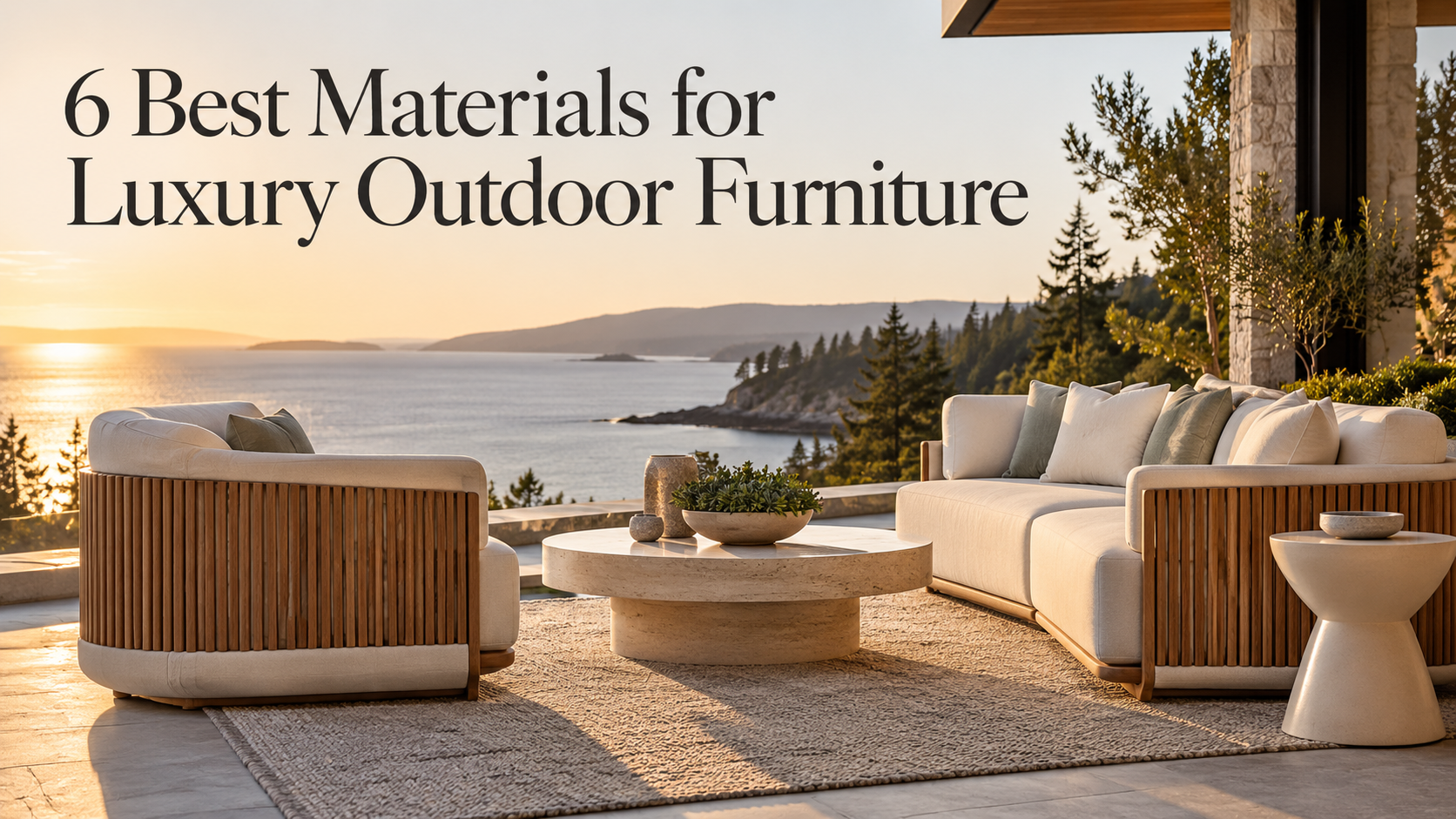
  • 6 Best Materials for Luxury Outdoor Furniture

    6 Best Materials for Luxury Outdoor Furniture

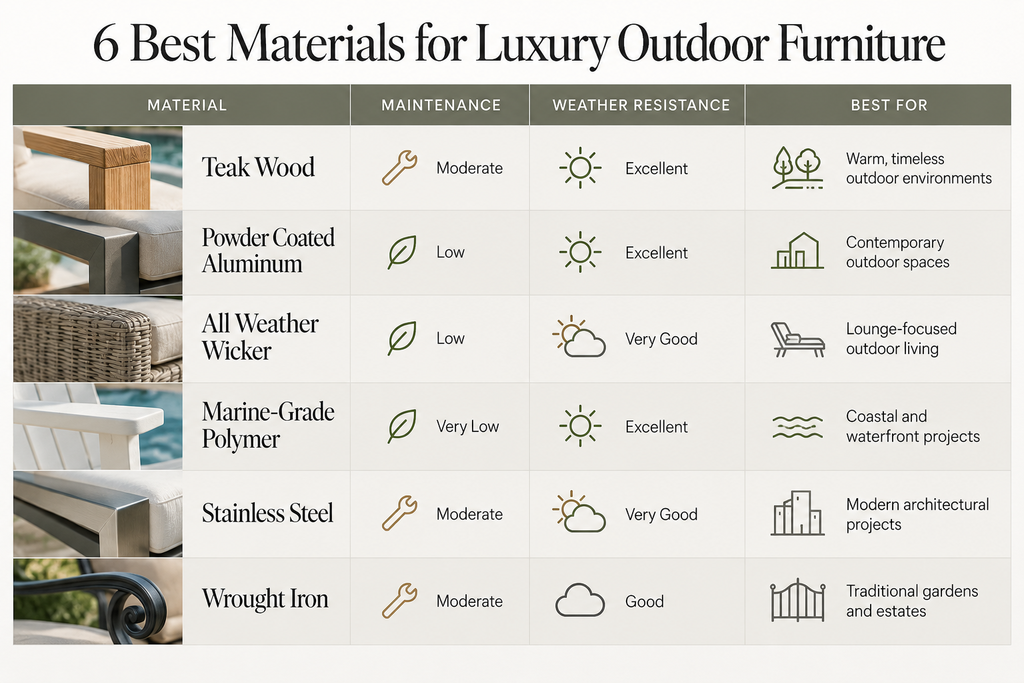
    Terris Draheim infographic comparing six luxury outdoor furniture materials, including teak, powder-coated aluminum, all-weather wicker, marine-grade polymer, stainless steel, and wrought iron by maintenance, weather resistance, and best use.

    If you’re working on an outdoor project right now, chances are you’ve already hit the material question.

    Maybe your client loves the look of teak. Perhaps they’re asking for something low maintenance. Or, maybe you’re looking at a waterfront property and trying to figure out what will still perform years after installation.

    That’s usually when someone asks what the best material for outdoor furniture is. The answer is rarely as simple as a single material. That’s usually where the conversation starts in our showroom.

    Often, someone points to a collection and asks, “Would you specify this for a project like mine?”

    The answer is rarely about the furniture alone.

    Instead, we’re usually talking about exposure, maintenance expectations, how the outdoor space will be used, and what the client expects long after the project is complete.

    A collection can look incredible in a presentation and still create headaches later. On the other hand, a simpler collection can end up being the better recommendation.

    That’s why we tend to start with the project before we start talking about products. Once you understand the environment, the material choices usually become much clearer.


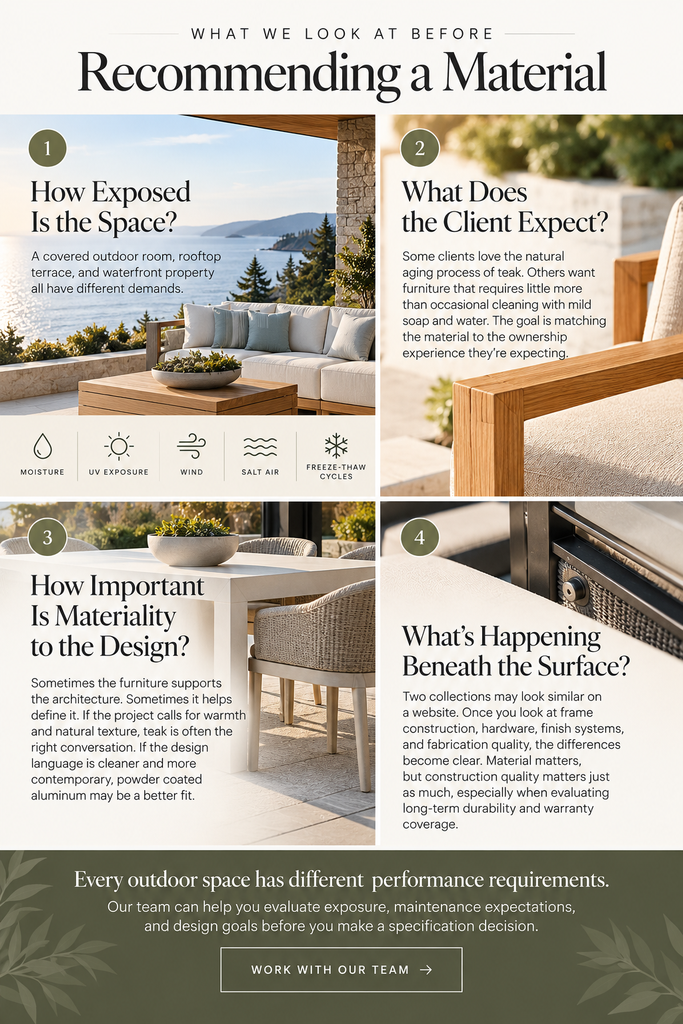
    Terris Draheim infographic explaining what to consider before choosing luxury outdoor furniture materials, including site exposure, client maintenance expectations, design materiality, and construction quality.

    What We Look At Before Recommending a Material

    Before we start comparing outdoor furniture materials, there are usually a few questions that help narrow the field.

    How Exposed Is the Space?

    This is often the first thing we look at.

    A covered outdoor room, a rooftop terrace, and a waterfront property may all need outdoor furniture, but they’re asking very different things from the materials.

    Moisture, UV exposure, wind, salt air, and freeze-thaw cycles all influence how furniture performs over time. The more demanding the environment, the more selective you need to be.

    What Does the Client Expect?

    This question can save a lot of frustration later.

    Some clients love the natural aging process of teak wood. Others want furniture that requires little more than occasional cleaning with mild soap and water. Neither approach is wrong.

    The goal is making sure the recommendation matches the ownership experience they’re expecting.

    How Important Is Materiality to the Design?

    Sometimes the furniture is supporting the architecture. Sometimes it’s helping define it.

    If the project calls for warmth and natural texture, the conversation often moves toward teak. If the design language is cleaner and more contemporary, powder coated aluminum may be a better fit.

    The material should feel intentional within the larger design story.

    Every outdoor space has different performance requirements. Our team can help you evaluate exposure, maintenance expectations, and design goals before you make a specification decision.

    What’s Happening Beneath the Surface?

    This is where many specifications succeed or fail.

    Two collections may look similar on a website. Once you start looking at frame construction, hardware, finish systems, and fabrication quality, the differences become much more obvious.

    Material matters. Construction quality matters just as much, especially when you’re evaluating long-term durability and warranty coverage.\


    Best Materials for Luxury Outdoor Furniture

    Before we walk through individual materials, here’s a quick overview of the options we discuss most often with designers and architects.

    MaterialMaintenanceWeather ResistanceBest For
    Teak WoodModerateExcellentWarm, timeless outdoor environments
    Powder Coated AluminumLowExcellentContemporary outdoor spaces
    All Weather WickerLowVery GoodLounge-focused outdoor living
    Marine-Grade PolymerVery LowExcellentCoastal and waterfront projects
    Stainless SteelModerateVery GoodModern architectural projects
    Wrought IronModerateGoodTraditional gardens and estates

    Teak Wood

    Let’s start with teak because it comes up in almost every showroom conversation.

    If you’re looking for warmth, natural beauty, and long-term performance, teak is usually one of the first materials worth considering. One reason it continues showing up on projects year after year is that it performs as well as it looks.

    Teak is naturally resistant to moisture, rot, insects, and UV exposure. It handles outdoor conditions exceptionally well and can last 25 years or more when properly maintained.

    The aging process is often part of the appeal. Over time, teak develops a silvery-gray patina that many clients end up loving. Others prefer to maintain the original golden color.

    Neither is wrong, but it’s a conversation worth having early. If your client understands how teak will age over time and what proper care looks like, you’re usually setting the project up for success.

    If you’d like to compare different approaches to teak, brands like Barlow Tyrie, Gloster, Jensen Outdoor, Summit Furniture, and MAMAGREEN all bring something unique to the conversation. The common thread is the material itself. The difference is how each manufacturer interprets it through design, craftsmanship, and construction.

    Powder Coated Aluminum

    Now let’s talk about aluminum.

    If low maintenance is high on your priority list, aluminum is often worth a closer look. 

    Powder coated aluminum works across a surprisingly wide range of projects. It’s weather resistant, naturally resistant to rust, lightweight, and available in styles that range from contemporary to transitional.

    For rooftop terraces, poolside environments, and clients who don’t want a long maintenance checklist, it solves a lot of problems before they start. Most collections need little more than regular cleaning with mild soap and water.

    What we pay attention to is everything beyond the material itself.

    The quality of the powder coated finish, the hardware, the welding, and the construction details often have a bigger impact on long-term durability than people realize. That’s why two aluminum collections that look similar on paper can perform very differently once they’re outdoors.

    Brands like Brown Jordan, Kettal, Royal Botania, and Castelle each approach aluminum differently, which is one reason construction quality deserves as much attention as the material itself.

    All Weather Wicker and Resin Wicker

    Comfort changes the material conversation pretty quickly.

    If you’re trying to bring more texture and comfort into an outdoor space, woven furniture is often worth a look. It introduces texture, softness, and a more relaxed feeling than many metal alternatives.

    Not all wicker is designed for outdoor use, though.

    Natural wicker may struggle with prolonged exposure to moisture and UV rays. High-quality resin wicker and all weather wicker are engineered specifically for outdoor environments.

    The best collections pair durable aluminum frames with woven fibers designed to resist moisture, UV fading, and temperature changes.

    Construction matters here.

    A woven exterior can look beautiful in a showroom, but frame quality, fiber quality, and manufacturing standards often determine how the furniture performs years later.

    When those elements come together, all weather wicker becomes one of the most versatile outdoor furniture materials available. It’s particularly well suited to outdoor sofas, lounge seating, and spaces where comfort plays a central role.

    If woven furniture is part of your project, DEDON remains one of the brands that helped define the category. Its handwoven collections continue to show how all weather wicker can balance comfort, durability, and design.

    Marine-Grade Polymer

    Marine-grade polymer usually enters the conversation when the environment starts narrowing the options.

    Waterfront properties, beach homes, and coastal projects all tend to point in the same direction. In those situations, performance tends to matter more than romance. Marine-grade polymer is designed to resist moisture, won’t rot, and performs exceptionally well in demanding weather conditions.  

    The other surprise for many people is how far the design has come. Today’s collections offer cleaner lines and more refined aesthetics than many people expect.

    Loll Designs is a good example. Its HDPE collections demonstrate how recycled materials and contemporary design can come together in furniture built for demanding outdoor environments.

    Stainless Steel

    If you’re working with clean lines, strong geometry, and contemporary detailing, stainless steel is often worth considering. Clean lines. Strong geometry. Contemporary detailing. In the right setting, it feels completely natural. 

    The material brings a level of precision that pairs well with modern residential and hospitality projects. Environmental conditions still matter.

    A protected outdoor room creates different expectations than a coastal property exposed to salt air. That’s why site conditions are usually part of the stainless steel conversation from the beginning.

    When specified correctly, it can be an excellent material for outdoor furniture.

    Wrought Iron

    Wrought iron has become more selective. It doesn’t fit every project, but when it fits, it fits exceptionally well. 

    Traditional gardens, estate properties, and historically influenced architecture often benefit from the weight and presence that wrought iron provides. Few materials communicate permanence in quite the same way.

    The maintenance requirements deserve attention. Unlike aluminum, wrought iron requires periodic care to help protect against rust and weather exposure.

    For many clients, that’s a worthwhile tradeoff. The important thing is understanding the commitment before the specification is made.


    Outdoor Fabrics and Cushions

    Frame materials usually get most of the attention. Fabric deserves just as much.

    A collection may look beautiful on installation day, but the long-term experience often comes down to the cushions and upholstery. That’s one reason performance fabrics have become so important.

    Solution-dyed acrylic fabrics remain one of the strongest options available. They’re stain resistant, UV resistant, and designed to handle moisture without sacrificing appearance. Olefin fabric is another material worth considering.

    Both perform exceptionally well outdoors and help preserve the comfort clients expect from high-quality outdoor furniture. It’s easy to focus on frames.

    In reality, the cushions are often what people remember.

    The right material often depends on more than aesthetics. We regularly help homeowners, designers, architects, and builders compare materials based on climate, maintenance requirements, and project goals. Get personalized guidance for your outdoor project.


    Best Outdoor Furniture Materials for Pacific Northwest Weather

    The Pacific Northwest is a great place to test outdoor furniture.

    Between steady moisture, summer sun, tree cover, waterfront exposure, and the occasional freeze-thaw cycle, materials don’t stay anonymous for long. Some simply perform better here than others.

    Here are the materials we find ourselves discussing most often:

    Teak Wood

    • Naturally resistant to moisture, rot, insects, and UV exposure
    • Develops a silvery-gray patina over time
    • Brings warmth and natural beauty to outdoor spaces
    • Well suited to residential, hospitality, and waterfront projects
    • Can last 25+ years with proper care

    Powder Coated Aluminum

    • Low-maintenance and weather resistant
    • Naturally resistant to rust
    • Performs well in moisture-heavy environments
    • Available in a wide range of contemporary and transitional styles
    • Typically requires little more than regular cleaning with mild soap and water

    Marine-Grade Polymer (HDPE)

    • Designed to resist moisture and harsh weather conditions
    • Won’t rot, crack, or corrode
    • Particularly well suited to waterfront and coastal properties
    • Requires very little maintenance
    • A strong option when durability is the highest priority

    All Weather Wicker

    • Adds texture and comfort to outdoor living spaces
    • Resin wicker is engineered to resist moisture and UV fading
    • Works particularly well for outdoor sofas and lounge seating
    • Performance depends heavily on frame and fiber quality
    • Best specified from manufacturers with strong construction standards

    The right material often becomes obvious once you understand the environment. Moisture, UV exposure, waterfront conditions, and seasonal weather can all impact long-term furniture performance. Talk with our team about materials that perform well in your environment.


    Where Outdoor Furniture Specifications Usually Go Wrong

    Most specification issues come down to one of three things.

    Prioritizing Appearance Over Performance

    A collection can look beautiful in a presentation and still be the wrong fit for the project. The goal is balancing aesthetics with the realities of the environment you’re designing for. 

    Overlooking Maintenance Expectations

    Not every client wants the same ownership experience.

    Some appreciate the way teak evolves over time. Others want furniture that requires little more than occasional cleaning.

    Making sure those expectations are aligned from the beginning helps avoid frustration later.

    Focusing on Material Without Considering Construction

    Material is only part of the story.

    Frame construction, hardware, joinery, finish systems, and manufacturing quality all influence how furniture performs over time.

    Two collections may use similar materials and deliver very different results. This is often where seeing collections in person becomes valuable.

    Materials tell part of the story. Construction details, finishes, comfort, and scale are much easier to evaluate when you’re standing in front of the furniture rather than looking at it on a screen.


    Frequently Asked Questions About Materials for Luxury Outdoor Furniture

    What is the best material for outdoor furniture?

    We get this question all the time, and the answer usually starts with the environment. Teak, powder coated aluminum, marine-grade polymer, and all weather wicker can all be excellent choices when they’re matched to the right project. 

    What is the most durable material for outdoor furniture?

    If durability is the priority, teak usually ends up on the shortlist. It’s naturally resistant to moisture, insects, rot, and UV exposure, which is why it’s been trusted for outdoor applications for decades. 

    What is the most weather-resistant outdoor furniture?

    Marine-grade polymer, teak, and powder coated aluminum are among the most weather resistant materials available. They perform well in moisture-heavy environments, direct sun, and changing weather conditions while requiring relatively minimal upkeep.

    Is teak better than aluminum for outdoor furniture?

    They solve different problems.

    Teak brings warmth, natural beauty, and timeless appeal. Powder coated aluminum offers lower maintenance and greater flexibility for many contemporary projects. The right choice depends on the environment, design intent, and ownership expectations.

    What is the best fabric for outdoor furniture?

    Solution-dyed acrylic fabrics continue to be one of the strongest choices for outdoor applications. They are stain resistant, UV resistant, and designed to handle moisture without sacrificing appearance. Olefin fabrics are another strong option that performs particularly well outdoors.

    What outdoor furniture material works best in rainy climates?

    Teak, marine-grade polymer, and powder coated aluminum are all strong options for rainy climates. Each resists moisture well and performs reliably in wet environments.

    What outdoor furniture material is best for coastal homes?

    Coastal projects typically benefit from marine-grade polymer, premium teak, and high-quality aluminum collections. Salt air changes the specification conversation quickly, making material selection even more important.

    Does aluminum outdoor furniture rust?

    No. Aluminum is naturally resistant to rust, which is one reason it remains such a popular material for outdoor furniture. Most collections require little more than regular cleaning with mild soap and water.

    What is the best outdoor furniture material for Pacific Northwest weather?

    Teak, powder coated aluminum, and marine-grade polymer consistently perform well throughout the Pacific Northwest. The right choice depends on the level of exposure, maintenance expectations, and the goals of the project.


    Ready to Compare Materials Side by Side?

    At a certain point, material conversations become easier in person.

    You can compare teak to aluminum online. You can read about resin wicker and marine-grade polymer. But there’s a reason designers still visit showrooms.

    The details become easier to evaluate when the materials are right in front of you.

    If you’re working through a current project, we’d love to help. Swing by our Seattle or Portland showroom to compare collections, discuss project requirements, and explore materials side by side.

    Not nearby? Reach out online.

    Whether you’re comparing materials for a waterfront property, rooftop terrace, hospitality project, or residential outdoor space, we’re happy to help you evaluate options and narrow the field.

    Sometimes a quick conversation is all it takes to bring clarity to the specification process.

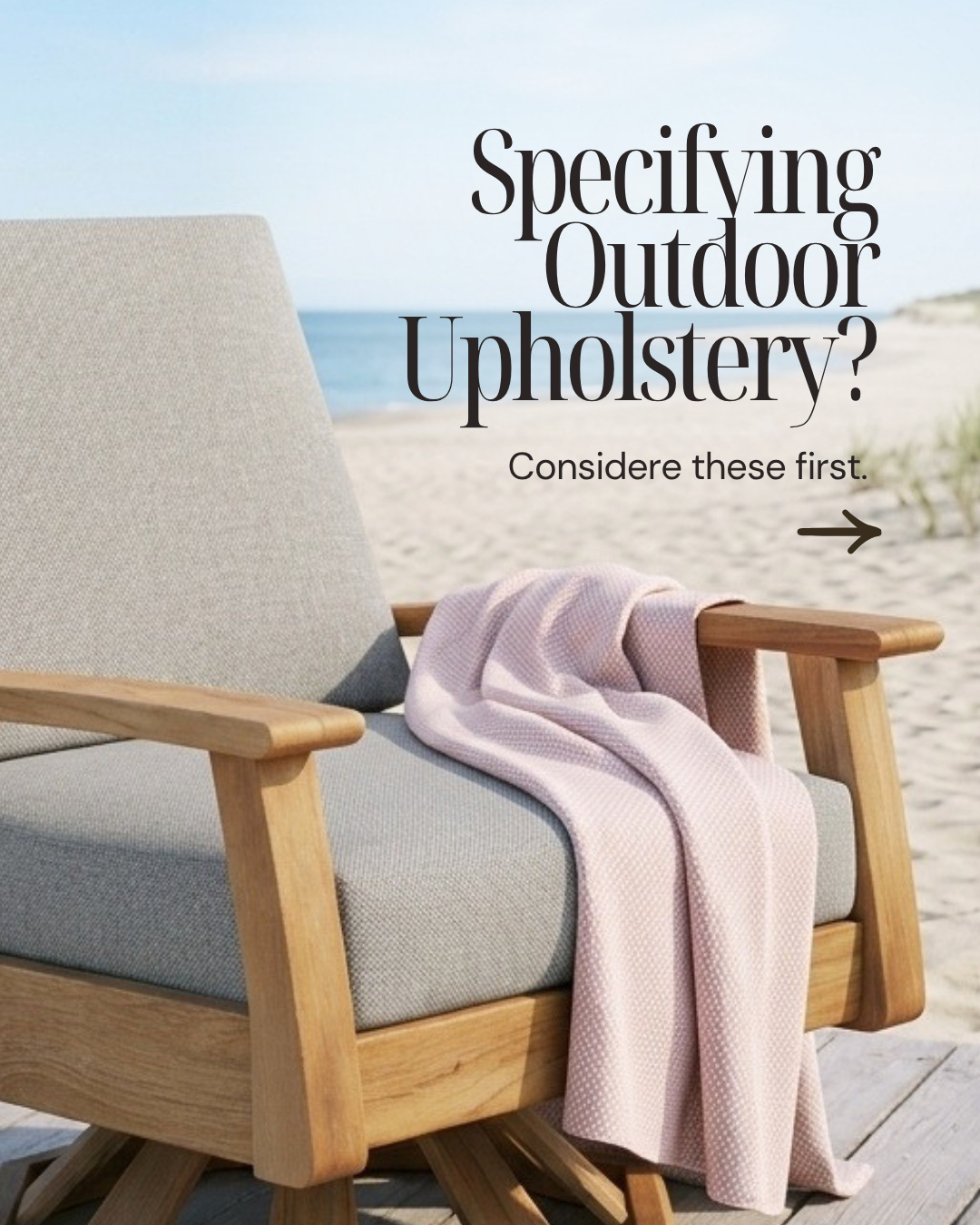
  • Specifying Outdoor Upholstery? Start With the Environment, Not the Color

    Specifying Outdoor Upholstery? Start With the Environment, Not the Color

    Color is the fun part of an outdoor upholstery spec. It’s also the last decision you should make.

    The right fabric and cushion depend on where the furniture lives and who sits on it: sun exposure, moisture, maintenance, and traffic. Settle those four, and the color conversation gets easy. Skip them, and the prettiest swatch in the deck becomes next summer’s phone call.

    Here’s how we walk designers and architects through it, plus a checklist to keep at your desk.

    “Outdoor” on the Label Is Where the Questions Start

    “Outdoor fabric” is a category, not a specification. Two textiles can both carry the word and behave nothing alike after one season.

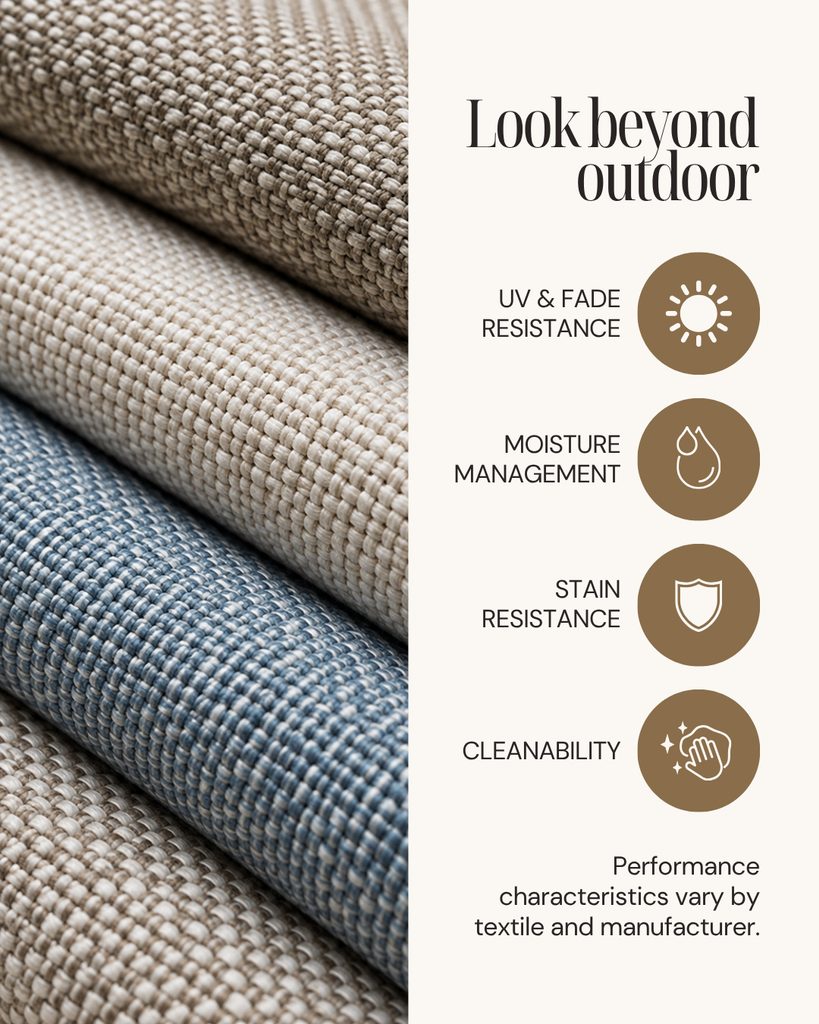
    Look past the label to four things:

    • UV and fade resistance. How well the color holds in direct sun.
    • Moisture management. How the fabric and cushion handle water, and how fast they dry.
    • Stain resistance. How well the fabric shrugs off a spill in the first place.
    • Cleanability. What it takes to get a stain out once it’s in.

    Performance varies by textile and by manufacturer. So the useful question isn’t “is it outdoor?” It’s “outdoor where, and for whom?”


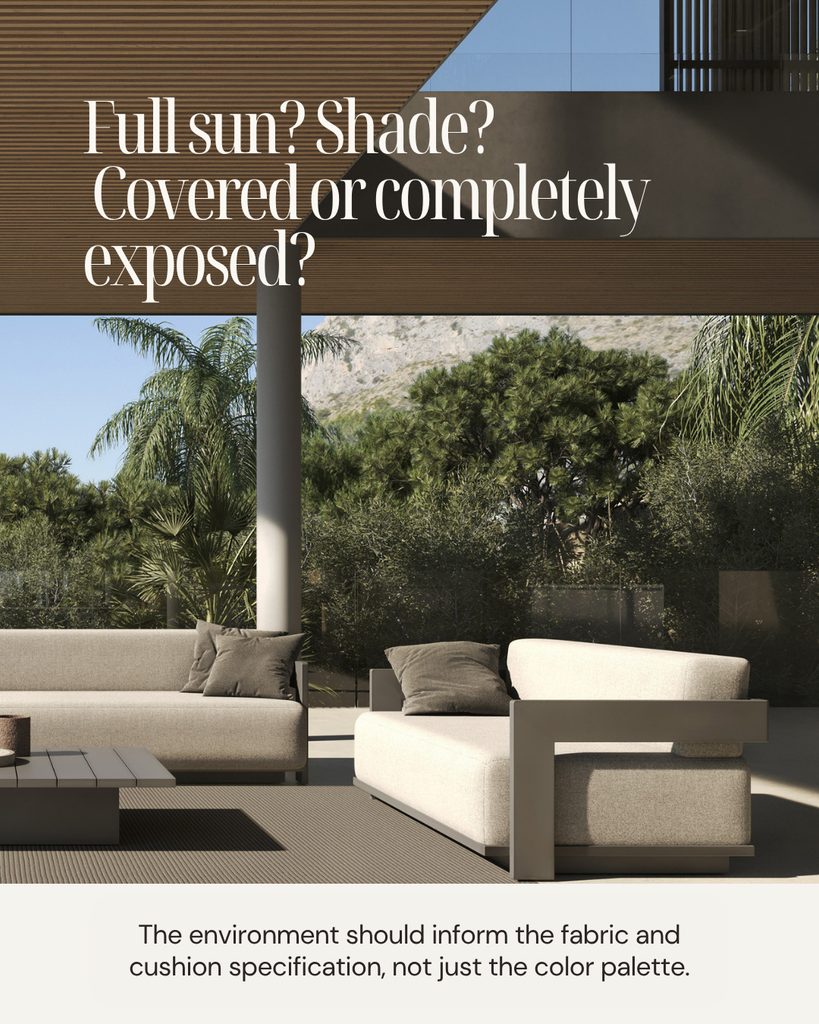
    Start With the Sky: Full Sun, Shade, Covered, or Exposed

    Stand on the site before you open a fabric book. Where does the sun land at 3 p.m.? What’s overhead, and what blows in sideways?

    Full Sun Asks the Most of Color

    Sun fades dye. The fabrics that hold color best are solution-dyed, which means the pigment goes into the liquid polymer before it ever becomes a fiber. The color runs all the way through, like a carrot, instead of sitting on the surface like a radish.

    The test standards show how far apart indoor and outdoor are. The Association for Contract Textiles sets its indoor upholstery lightfastness guideline at 40 hours of light exposure. Its outdoor upholstery guideline calls for 1,000 hours.

    One caution from ACT itself: test hours don’t convert to hours in the field. Use the numbers to compare fabrics. Use the site to make the call.

    Shade and Cover Change the Problem

    Shade is kind to color and hard on drying. A cushion under a deep overhang or a tree canopy stays damp longer, and even a weather-ready fabric can mildew if it sits wet.

    Covered doesn’t mean protected, either. A roofed dining terrace still gets wind-driven rain, morning moisture, and temperature swings. In the Northwest, plan for that even when the drawings show a roof.


    The Fabric Is Half the Spec. The Cushion Is the Other Half.

    A swatch tells you nothing about what’s inside the cushion. What’s inside decides whether your client sits down dry the morning after it rains.

    Ask about the fill first. Quick-dry foam has an open, net-like cell structure that lets water run through instead of staying trapped. That’s the difference between a cushion that drains and a cushion that holds a grudge.

    Then ask how the water gets out. Mesh panels on the underside help a cushion drain, and vents help air move through it. Check the small parts too, because thread and zippers need UV resistance as much as the fabric does.

    One more thing. Outdoor fabric resists water, and it still gets wet. For a fully exposed site, add covers to the spec.

    We offer custom-made covers that are waterproof on top and breathable on the sides, so cushions stay dry and still get air.

    Then Ask Who’s Sitting on It

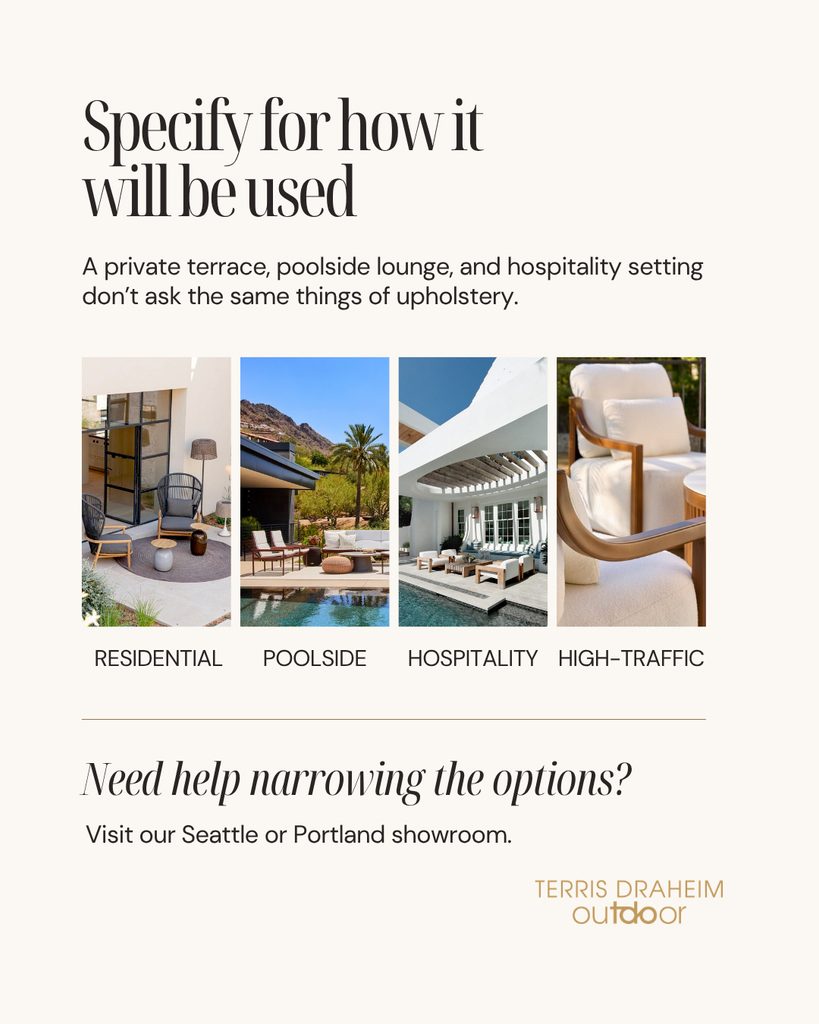
    A private terrace, a poolside lounge, and a hotel courtyard don’t ask the same things of upholstery.

    Residential

    A family terrace usually has the gentlest traffic and the least predictable care. Be honest about who will bring the cushions in before a storm. If the answer is nobody, specify for nobody.

    Poolside

    Pool water adds chemistry. Chlorine fades dye through a chemical reaction that’s separate from sun fading, so a fabric with strong UV numbers can still lose color at the pool. Solution-dyed acrylic is the established choice here, because the color lives inside the fiber.

    Then there’s sunscreen. Avobenzone and oxybenzone, two common sunscreen ingredients, can react with minerals in water and leave yellow or rust-colored marks. Mineral sunscreens leave white smears instead.

    Either way, a chaise cushion needs a fabric you can clean hard and often.

    Hospitality and High-Traffic

    More guests means more abrasion. For woven upholstery, ACT’s guidelines set 15,000 Wyzenbeek double rubs for low-traffic use and 30,000 for high-traffic use. ACT also notes that results beyond its guidelines don’t predict a longer life, so a six-figure rub count shouldn’t choose the fabric for you.

    Plan for the service life too. Ask whether covers come off for cleaning, how you’d order replacements, and which flammability requirements apply to the project. A hotel courtyard works every day of the season, and its spec should too.

    Stain Resistance and Cleanability Are Two Different Promises

    Stain resistance buys you time. Cleanability decides what happens when the time runs out.

    Ask the manufacturer which cleaners the fabric tolerates and whether the covers zip off. Then make sure the care guide lands with the client, not in a project folder. We keep manufacturer care guides and a stain treatment list on our site for that handoff.

    Color plays a part here. Light fabrics show stains sooner, so the pale linen look your client loves may call for the most cleanable textile in the line.

    Now You Can Pick the Color

    By now the field is smaller, and that’s the point. Every fabric left on the table already suits the site.

    Look at samples outside, in the real light, next to the stone and the planting. Fabric grade affects price, so check it before you fall for a swatch. Our trade portal shows net pricing by fabric grade across the brands we carry.


    The Outdoor Upholstery Checklist

    Run through this before a spec goes in front of your client.

    The site

    • ☐ Full sun, partial shade, or deep shade?
    • ☐ Covered, partly covered, or fully exposed?
    • ☐ Wind-driven rain, coastal air, or pool splash?
    • ☐ How fast will cushions dry where they sit?

    The use

    • ☐ Residential, poolside, hospitality, or high-traffic?
    • ☐ Who maintains it, and how often?
    • ☐ Will anyone cover or store the cushions?

    The fabric

    • ☐ Solution-dyed?
    • ☐ Lightfastness and abrasion results in hand?
    • ☐ Chlorine and sunscreen exposure considered?
    • ☐ Approved cleaners confirmed with the manufacturer?

    The cushion

    • ☐ Quick-dry foam or another draining fill?
    • ☐ Mesh or vents for drainage and airflow?
    • ☐ Removable covers, with replacements available?
    • ☐ UV-resistant thread and zippers?

    The paperwork

    • ☐ Fabric grade and pricing confirmed?
    • ☐ Lead time fits the install date?
    • ☐ Flammability requirements checked for commercial work?
    • ☐ Covers specified for exposed sites?
    • ☐ Care guide and warranty in the client’s hands?

    Bring Us the Site, Not Just the Swatch

    Outdoor upholstery works best when the environment makes the first decision and the color makes the last. We help designers and architects sort through materials, finishes, and furnishings across our full portfolio of premium brands.

    Have a project in mind? Visit our Seattle or Portland showroom. Bring the plans, the exposure, and the palette, and we’ll pull fabric and cushion options to match.

    Seattle: 5616 6th Avenue South, Seattle, WA 98108

    Portland: 3030 NW Nicolai St., Portland, OR 97210

    Email outdoor@terrisdraheim.com to set up a visit. New to working with us? Our outdoor furniture trade program covers samples, pricing, and delivery.


    Frequently Asked Questions About Outdoor Upholstery

    What is the best fabric for outdoor upholstery?

    The best fabric depends on the site and the use. Solution-dyed acrylic is the established choice for full sun and poolside settings because the color runs through the fiber. Match the textile to the exposure, the traffic, and the care it will get.

    Is outdoor upholstery waterproof?

    No. It resists water, and it still gets wet. Quick-dry foam, drainage mesh, and covers keep cushions drying fast between uses.

    How do I keep outdoor cushions from getting mildew?

    Help outdoor cushions dry quickly. Specify a draining fill, give cushions airflow, clean them on a regular schedule, and cover or store them in long wet stretches.

    How many double rubs should an outdoor fabric have?

    ACT’s guidelines for woven upholstery set 15,000 Wyzenbeek double rubs for low-traffic use and 30,000 for high-traffic use. Treat those as a floor for comparison, since higher numbers don’t predict a longer life.

    What fabric works best for poolside furniture?

    Solution-dyed acrylic works best for most poolside furniture. Chlorine attacks surface dye, and solution-dyed fibers carry their color inside. Choose a fabric you can clean often, because sunscreen leaves marks.

    Does outdoor fabric fade in the sun?

    Any fabric can fade with enough sun. Solution-dyed fabrics hold color longest, and ACT’s outdoor upholstery guideline tests for 1,000 hours of light exposure.

    Where can I see outdoor upholstery fabrics in Seattle or Portland?

    Visit Terris Draheim Outdoor at 5616 6th Avenue South in Seattle or 3030 NW Nicolai St. in Portland. You can compare fabrics, cushions, and finishes in person with our team.


    Want to Learn More About Outdoor Upholstery?

    What “Performance Fabric” Means

    A performance fabric is a textile built to resist fading, moisture, and stains better than a standard fabric. The term has no single definition, so ask for the test results behind it.

    Solution-Dyed vs. Printed Fabric

    A solution-dyed fabric gets its color before the fiber forms. A printed fabric gets its color on the surface afterward. Printed patterns offer more detail, and solution-dyed color lasts longer outdoors.

    What a Double Rub Is

    A double rub is one back-and-forth pass in the Wyzenbeek abrasion test. The count tells you how many passes a fabric took before it showed noticeable wear.

  • Where Interior Designers Buy Luxury Outdoor Furniture in Seattle

    Where Interior Designers Buy Luxury Outdoor Furniture in Seattle

    You can find beautiful luxury outdoor furniture in Seattle pretty quickly. Finding pieces that actually make sense for the project is a different conversation.

    Seattle weather, site exposure, finishes, maintenance expectations, and project timelines can all change what looks like the right choice. A fully exposed terrace may need a very different recommendation than a covered outdoor dining area on the same property.

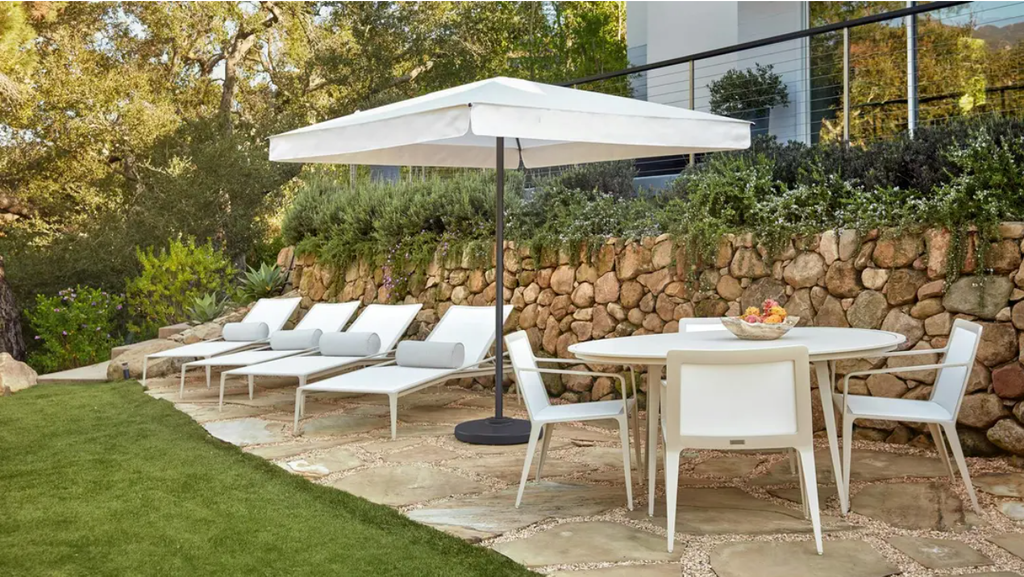
    Outdoor furniture in stylish, practical, contemporary and heritage designs, using quality materials from Terris Draheim.

    Interior designers in Seattle can shop for luxury outdoor furniture at Terris Draheim’s Seattle showroom, where you can compare collections in person and work through the details with an experienced outdoor furniture team.

    You may need to compare materials, review finishes, request samples, check availability, or work through a custom order. Having someone who can help with those details can save a lot of back-and-forth.

    Terris Draheim carries brands including Dedon, Brown Jordan, Gloster, Barlow Tyrie, Kettal, Royal Botania, Tuuci, and Jensen Outdoor. More options aren’t always better. The useful part is narrowing the field to pieces that fit the space, the design, and your client.

    Terris’s trade services include product sourcing, material and finish sampling, showroom consultations, specification support, and designer collaboration. When a project is moving quickly, that support can matter just as much as the furniture itself.

    If you’re sourcing luxury outdoor furniture in Seattle, look beyond the catalog. The right showroom should help you work through the decision and keep the project moving.

    What Should Interior Designers Look For in an Outdoor Furniture Partner?

    A beautiful chair or sofa is only one part of a good recommendation. The right showroom should make sourcing easier, not add another task to your list.

    When you’re evaluating a showroom or vendor, these are the things that tend to matter:

    • Curated brands that fit your design standards.
    • Material expertise based on real outdoor conditions.
    • Finish options that support the larger design.
    • Samples you can review with your client.
    • Sourcing support for specific or custom pieces.
    • Realistic lead times before you commit to a schedule.
    • Designer collaboration when the details get complicated.

    These details matter when a client approval or installation date is already on the calendar. Good vendor support should reduce decision fatigue, not create more of it.


    Choosing Outdoor Furniture for Seattle’s Climate

    Seattle’s weather should be part of the furniture conversation from the beginning. Rain and moisture can change how materials, finishes, cushions, and fabrics perform over time.

    The site usually tells you more than the city does. Is the furniture fully exposed? Is there overhead cover? Does water drain well? Can cushions dry between uses? Will the space be used through winter?

    “Covered” doesn’t always mean protected. A covered dining area can still deal with moisture, wind, and temperature changes.

    The recommendation needs to match the actual exposure of the space. A Seattle address alone doesn’t tell you how the furniture will perform.

    Look Beyond the Headline Material

    Teak, aluminum, and woven furniture can all work outdoors. But the material name only tells you part of the story.

    What’s underneath matters too. Construction, finishes, hardware, cushions, fabrics, and drainage can all change how a piece performs once it leaves the showroom.

    Proper care matters as well. Maintenance depends on the material and manufacturer’s guidance, particularly when moisture and outdoor exposure are involved. Our outdoor furniture care and maintenance guidance can help when you’re narrowing down a collection. 

    Teak, Aluminum, and Mixed Materials

    Teak is one of the easier materials to recommend when you want natural warmth and a timeless feel. Quality teak handles outdoor conditions well and can remain outside year-round when properly cared for.

    The tradeoff is maintenance. If your client expects completely maintenance-free furniture, that conversation needs to happen early.

    Powder-coated aluminum is often a strong choice for cleaner, contemporary designs. It’s lightweight, relatively easy to maintain, and gives you flexibility when the furniture needs to work with a modern architectural palette.

    There isn’t one “best” outdoor furniture material. The right combination depends on the space, the exposure, and what your client expects from it.


    What Makes Luxury Outdoor Furniture Worth the Investment?

    A higher price doesn’t automatically make outdoor furniture better. The difference should show up in materials, construction, comfort, design, and support.

    The frame, finish, cushions, and upholstery all affect how the furniture feels and performs. Performance fabrics such as Sunbrella also matter when cushions face regular sun and moisture.

    Warranty coverage, care guidance, replacement components, and supplier support matter long after delivery. A lower price can look good at first, but replacing underperforming furniture a few years later tells a different story.

    Choose the piece that earns its place in the project, not simply the one with the highest price tag.


    Outdoor Furniture for the Way Your Client Uses the Space

    The collection usually becomes easier to choose once you know how your client wants to use the space.

    Dining, lounging, shade, circulation, and views all need to work together. A beautiful collection can still feel wrong if people can’t move comfortably or gather where they naturally want to.

    Dining Areas

    Table size and circulation become important quickly. You want enough room around the dining table for people to move comfortably without making the space feel oversized.

    The connection to the kitchen or dining space inside matters too. When those proportions relate well, the outdoor dining area feels like part of the larger design.

    Lounge and Conversation Areas

    A sofa or sectional should create a natural place to gather. Seating orientation, table placement, and circulation all affect how comfortable the space feels.

    And comfort matters. If nobody wants to sit there for more than ten minutes, the furniture isn’t doing its job.

    Sectionals and Larger Spaces

    Sectionals can anchor a larger outdoor space and create distinct areas for entertaining.

    Dimensions matter, but delivery deserves the same attention. A sectional can look perfect on a plan and become a completely different problem when it has to get through a gate, around a corner, or up a flight of stairs.

    Chaise Lounges and Relaxation Areas

    Chaise lounges can create quieter places to read, relax, or enjoy the view. Placement matters, especially around pools, strong sunlight, and main circulation paths.

    Shade and Comfort

    Shade systems and umbrellas can make an outdoor space much more usable. Comfort shouldn’t be something you add after the furniture plan is finished.


    Brands and Collections for Designer-Led Projects

    A strong brand portfolio gives you room to choose. But more options aren’t always better. Too many choices can make sourcing harder, not easier.

    That’s where a good showroom relationship can help. You can narrow the field around the project instead of sorting through every possible collection. Material, style, comfort, maintenance, availability, and lead time can quickly rule out pieces that looked right at first.

    Terris Draheim’s brands include Dedon, Brown Jordan, Gloster, Barlow Tyrie, Kettal, Royal Botania, Tuuci, Jensen Outdoor, Summit Furniture, MamaGreen, Castelle, Danao Living, and Loll Designs. You can also explore our outdoor furniture collections when comparing options.

    If you’re furnishing several areas, collections should work together without everything looking identical. Dining chairs, lounge seating, tables, cushions, and shade can share a design language while serving different purposes.


    What Changes When You’re Specifying Furniture for a Client?

    Once you’re specifying for a client, the furniture decision gets a little more complicated.

    A finish sample may be needed before you present a choice. Stock may need to be confirmed. A custom order may need another check before installation is scheduled. 

    These details can seem small while you’re selecting furniture. They become much more important once the project is moving. Reviewing delivery and project requirements early can help prevent surprises later.

    None of these details are particularly glamorous. They can, however, save you from a difficult conversation later.

    A finish sample can prevent the wrong approval. A lead-time check can prevent a schedule problem. Knowing how replacement pieces are handled can save you another headache years down the road.

    That’s where a showroom relationship becomes useful. Terris supports trade professionals with sourcing, samples, client consultations, specification support, and designer collaboration.

    Planning an outdoor space for a client?

    Bring your plans, dimensions, finish direction, or questions. You don’t need every decision made before you visit. The Terris team can help you compare collections and work through the details.


    Why Work With Terris Draheim?

    Terris Draheim has been helping clients and design professionals with outdoor furnishings since 1985. The Seattle showroom brings together established outdoor brands with the sourcing, sampling, and design support trade professionals often need.

    You can compare materials and finishes in person, test seating comfort, look at proportions, and see how collections work together.

    The goal isn’t to tell you what to buy. It’s to help you make a choice you feel good about putting in front of your client.

    Visit our Portland or Seattle Showroom

    Online images can help narrow the search. They can’t always tell you how a chair feels, how a finish looks in person, or how two pieces relate in scale.

    That’s where a showroom visit can change the conversation.

    Your dimensions, plans, finish direction, or even a few questions are enough to get the conversation started. You don’t need every decision made before you walk through the door. 

    You should leave with fewer options, a clearer direction, and more confidence in what you’re putting in front of your client.

    Questions Designers Ask About Luxury Outdoor Furniture in Seattle

    What outdoor furniture materials work well in Seattle?

    Teak, aluminum, woven materials, and mixed-material designs can all work well. The right choice depends on exposure, maintenance expectations, construction, and the rest of the project.

    Is teak a good choice for Seattle outdoor spaces?

    Yes. Teak offers warmth, longevity, and a natural look. The tradeoff is maintenance, so make sure your client understands how the wood will weather over time.

    Is aluminum suitable for luxury outdoor furniture?

    Yes. Powder-coated aluminum can work especially well for contemporary outdoor spaces. The quality of the frame and finish matters more than the material label alone.

    Is luxury outdoor furniture worth the investment?

    It can be when the quality matches the project. Look at construction, comfort, materials, finishes, warranty coverage, maintenance, and replacement support. A higher price doesn’t automatically make furniture better.

    How should outdoor furniture be maintained in Seattle?

    Maintenance should match the material, finish, fabric, and site conditions. Manufacturer guidance becomes especially important when moisture and cushion drying are part of the equation.

    How do I choose furniture for an exposed deck?

    Exposure is the first thing we’d look at. Rain, direct sun, wind, drainage, drying time, and maintenance expectations can all change the recommendation.

    Can Terris Draheim help with outdoor furniture sourcing?

    Yes. Terris supports trade professionals with product sourcing, material and finish sampling, showroom consultations, specification support, and designer collaboration.

    Does Terris Draheim work with interior designers?

    Yes. Interior designers are an important trade audience for Terris, with support available for sourcing, samples, client consultations, and project guidance.

    Can designers review materials and finishes in the showroom?

    Yes. Seeing materials and finishes in person makes it easier to compare options and gives clients more confidence in the final choice.

    Is outdoor furniture completely waterproof?

    No. Outdoor furniture is designed for outdoor conditions, but different materials and components respond differently to moisture. Cushions, fabrics, finishes, and drainage all matter.

    A Simple Checklist Before You Choose

    Before a recommendation is finalized, a few details can make or break the decision.

    Material Fit

    • Does the material suit the weather?
    • Is the furniture fully exposed?
    • How will moisture drain?
    • What maintenance will it need?

    Comfort

    • Is the seat depth right?
    • Do the cushions feel supportive?
    • Will the client actually use it?

    Layout

    • Does the furniture fit the space?
    • Is circulation comfortable?
    • Does the layout support dining or lounging?

    Ownership

    • What does the warranty cover?
    • How should the furniture be maintained?
    • Can replacement parts be sourced later?

    Sourcing

    • Is the lead time realistic?
    • Is the piece in stock?
    • Will delivery work with the project schedule?

    The right outdoor furniture doesn’t just finish the space. It helps the entire design work better.

    When the materials, comfort, style, and practical details all work together, the recommendation becomes much easier to stand behind.

  • Outdoor Furniture Trade Program for Interior Designers in Seattle & Portland

    Outdoor Furniture Trade Program for Interior Designers in Seattle & Portland

    You can find beautiful outdoor furniture pretty quickly. Finding the right pieces for an entire client project is a different conversation.

    Maybe you’re furnishing a large backyard with dining furniture, lounge seating, tables, and shade. Now you’re comparing materials, finishes, dimensions, comfort, availability, and lead times while trying to make sure everything still feels connected to the design.

    That’s where a good outdoor furniture trade program can make the process easier. Instead of sorting through every collection yourself, you have a resource you can work through those decisions with.

    For designers in Seattle and Portland, Terris Draheim offers true wholesale net pricing, product sourcing across more than 20 brands, material and finish samples, showroom consultations, specification support, and white glove delivery through installation.

    More importantly, you can start with the project rather than the product.

    Brown Jordan's new Summit umbrella from Terris Draheim.

    Let’s say you have a client who wants to turn an underused patio into a space they’ll actually use.

    Before we start pulling collections, we’d want to know what you’re working with. How large is the space? How will your client use it? What does the architecture look like? Are you dealing with coastal exposure, heavy moisture, or full sun? And what direction are you already taking with the interiors?

    Those answers can narrow the field quickly.

    We help Seattle and Portland designers source and select outdoor furniture for residential and professional projects. The trade program gives you access to more than 20 collections spanning furniture, shade, fire, rugs, outdoor kitchens, and accessories – all in one place, with wholesale net pricing broken down by fabric grade so you can spec accurately from the start.

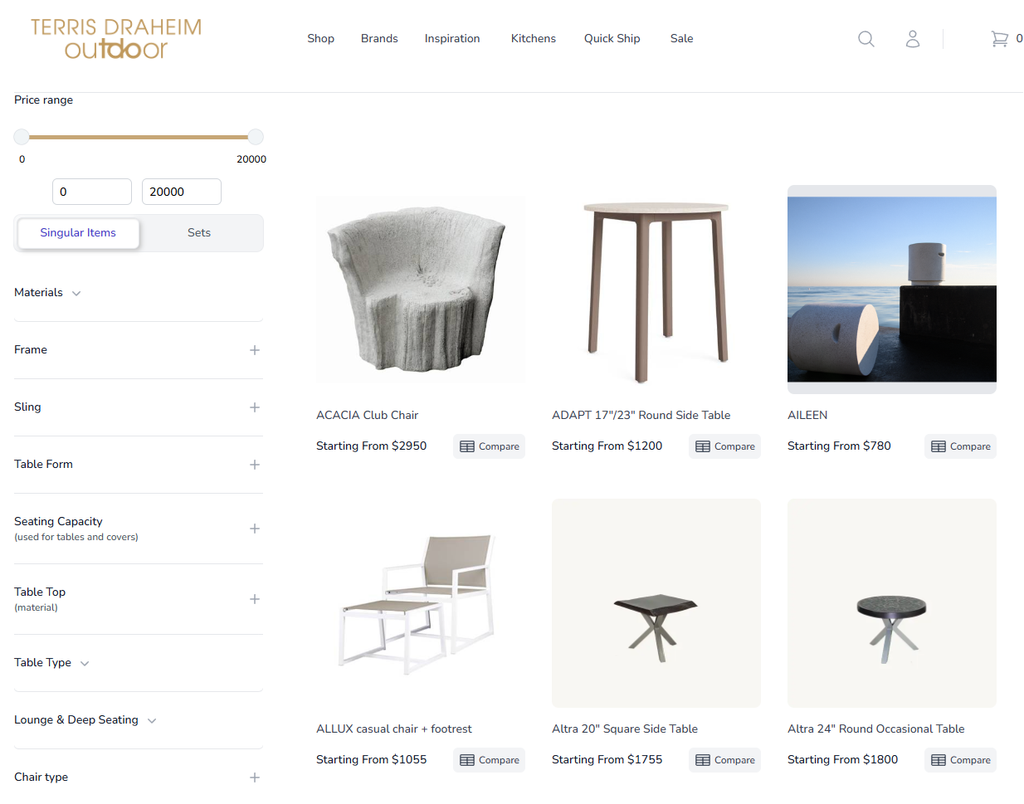
    Terris Draheim provides interior designers shopping by materials, frame, sling and other options on their website.

    You can see materials and finishes in person, sit in the furniture, compare options, and work through the details before you put a recommendation in front of your client.

    That’s particularly useful when you’re furnishing patios, rooftops, pool areas, large backyards, or complete outdoor living spaces.

    If you’re working through a project now, talk with the Terris team about your outdoor furniture needs.


    What Do You Get From an Outdoor Furniture Trade Program?

    Let’s start with the part everyone expects: trade pricing.

    It matters, but it’s not the only reason to have a trade relationship.

    You’re already managing the architecture, finishes, furnishings, client expectations, and project timeline. Outdoor furniture adds another layer of decisions, particularly when you’re coordinating several collections or trying to find materials that will actually hold up.

    A good trade program should help make those decisions easier.


    Trade Pricing

    Most trade programs offer a percentage off retail. That’s not what this is.

    Terris Draheim offers true wholesale net pricing — the same pricing structure manufacturers use for authorized dealers. When you log into the trade portal, you can see net pricing broken down by fabric grade across every brand we carry. That means you can build accurate project budgets without back-and-forth on pricing, and you know exactly what margin you’re working with before you put a recommendation in front of your client.

    There’s no minimum order required for standard trade pricing. Whether you’re sourcing one piece or furnishing an entire property, the pricing structure is the same.


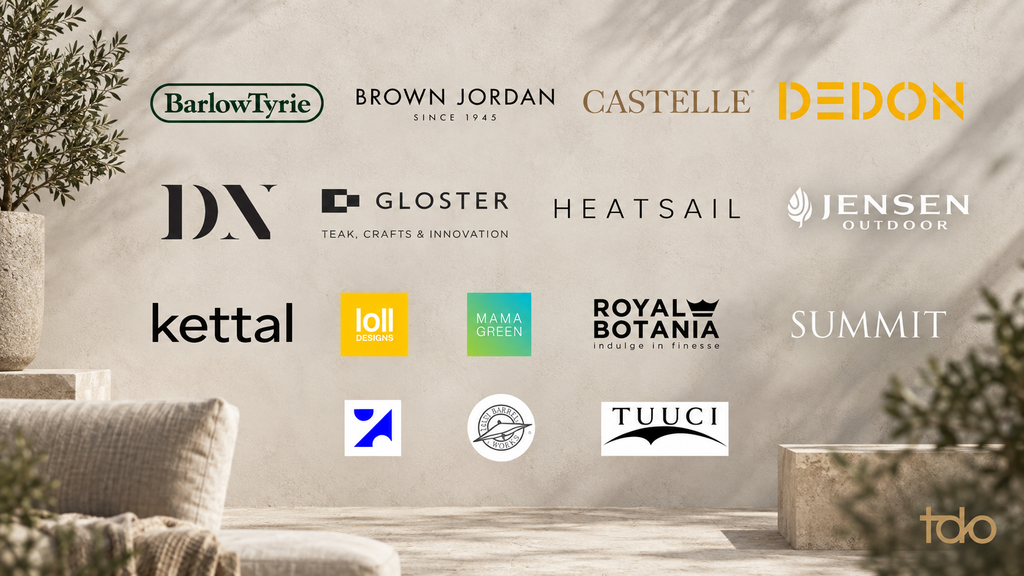
    Terris Draheim carries over 20 furniture brands for Pacific Northwest designers.

    Access to 20+ Brands in One Place

    This is where a lot of designers find the most value, even if it’s not the first thing they ask about.

    Many designers come to us knowing two or three brands they’ve worked with before. What they don’t always realize is that Terris Draheim represents more than 20 brands across furniture, shade architecture, fire features, outdoor rugs, kitchens, and accessories. Brown Jordan, Gloster, Barlow Tyrie, Dedon, Kettal, Jensen Outdoor, Heatsail, Tuuci — and that’s before you get into the full range.

    Instead of going to each manufacturer’s website separately, you can shop across all of them in one trade portal, with consistent net pricing, in one conversation. That’s a different kind of efficiency than a discount.


    Product Sourcing

    Finding one outdoor chair is easy.

    Finding dining chairs, a sectional, lounge seating, tables, cushions, and shade that all work together takes more thought.

    This is where having someone who knows the collections can save you time. Tell us what you’re trying to accomplish, and we can help narrow the options based on style, materials, finishes, comfort, layout, and how the space will be used.

    You shouldn’t have to compare every product just to find the handful that actually make sense.

    Material and Finish Samples

    You know how different a finish can look once it’s next to the actual flooring or fabric.

    A product photo can’t always show you that.

    Bring the samples into the design conversation and look at them alongside the architecture, upholstery, flooring, and landscape. It’s much easier to catch something that feels off before the client is looking at the final selection.

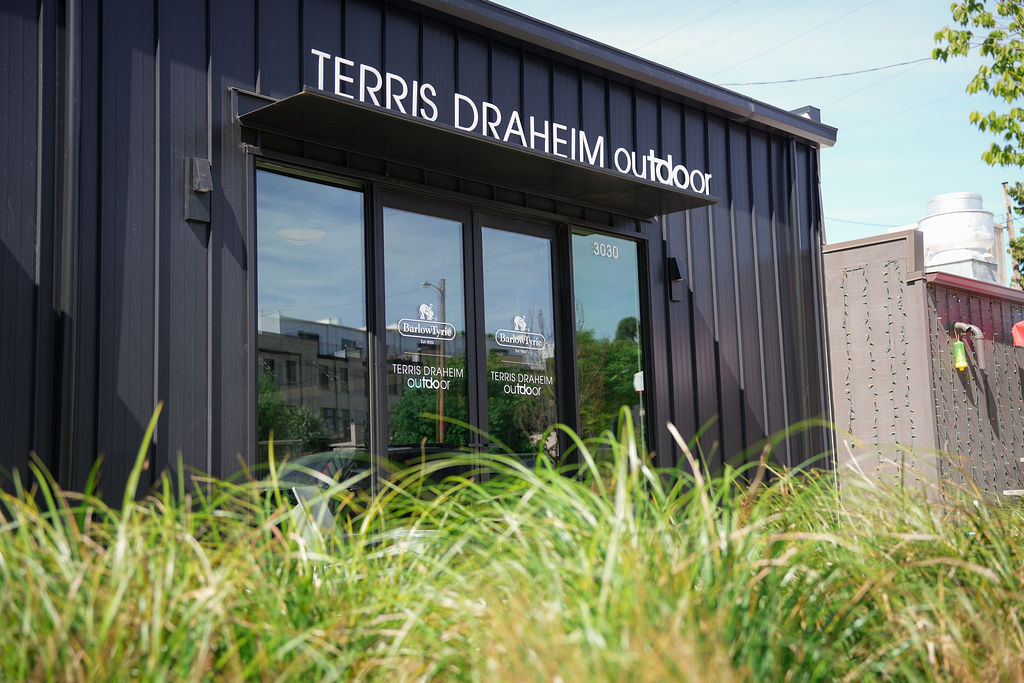
    Terris Draheim outdoor furniture showroom located at 3030 NW Nicolai St., Portland, OR

    Showroom Consultations

    This is one of the biggest advantages of seeing outdoor furniture in person.

    You can look at the proportions. Feel the materials. Sit in the chairs. Compare finishes. Get a better sense of how a collection actually feels instead of relying entirely on a product photograph.

    We have showrooms in Seattle and Portland where you can experience collections in person — including outdoor kitchens, fire features, and shade architecture alongside furniture — and work through your selections with the team.

    And comfort is worth testing.

    A chair can look perfect in a photograph and feel completely different once you sit in it.


    Specification and Project Support

    Once you’ve found the right collection, the details start to matter.

    You may need dimensions, configurations, finishes, fabrics, quantities, and other product information before you can finalize the recommendation. The team works alongside you through that process, not just at the point of order.

    White Glove Delivery and Installation

    This part matters more than most people realize until something goes wrong.

    Terris Draheim handles receiving, inspection, assembly, and white glove delivery through installation. Before the furniture ever arrives at your client’s home, it goes through an inspection at our receiving facility. That means issues get caught and resolved before the client sees the product, not after.

    Delivery coordination is also part of the conversation before you fall in love with a collection. If installation is six weeks away and the furniture takes twelve weeks, you have a problem before the order is even placed. Availability and lead times should come up early, particularly for larger projects with firm installation dates.


    How to Work Through Outdoor Furniture With a Trade Partner

    You don’t need to have every decision made before you reach out.

    Start with what you know.

    Start With the Space

    Tell us how the space works and what your client wants from it.

    Is this where they entertain? Is it a quiet place for morning coffee? Does the family spend most of their time around the pool? Do they need flexible seating for larger gatherings?

    Then look at the physical space. Measure the footprint, consider circulation, and think about where dining, lounging, shade, and other activities need to happen.

    The layout usually tells you more than the product catalog does.

    Narrow the Collections

    Once we know what the space needs, we can start looking at collections that fit.

    Maybe the architecture calls for something clean and structured. Perhaps the home needs the warmth of teak. Maybe you’re working with a coastal property where material performance needs to come first.

    You can usually narrow the field pretty quickly once those pieces are clear.

    Bring in the Samples

    Now look at the materials together.

    Put the finish next to the flooring. Compare the fabric with the architecture. Look at the frame against the surrounding landscape.

    This is where a showroom conversation can be much more useful than scrolling through product pages.

    Check the Details

    Before the client approves the selection, go back through the practical pieces.

    Dimensions. Quantities. Fabrics. Finishes. Configurations. Availability.

    It’s much easier to make a change now than after the order has been placed.

    Talk Through Delivery

    Finally, make sure the timeline works.

    If your project has a firm installation date, lead time should influence the recommendation from the beginning.

    A beautiful selection that arrives too late isn’t a successful selection.


    Who Can Benefit From an Outdoor Furniture Trade Program?

    Interior designers are a natural fit, but you don’t have to be working exclusively in interiors to benefit from a trade relationship.

    Interior Designers

    If you’re carrying a strong design concept from inside the home to the outdoor space, furniture needs to feel like part of that same story.

    You may already have the palette, materials, and overall direction. The question becomes finding outdoor collections that support it while giving your client the comfort and quality they expect.

    Architects

    If you’re approaching the project from the architectural side, material, proportions, weather exposure, and overall design consistency may be higher on the list.

    The furniture still needs to feel intentional within the architecture, not like an afterthought.

    Landscape Designers and Landscape Architects

    You’ve already spent considerable time shaping the outdoor environment.

    Furniture should build on that work.

    Think about how seating, dining, pool areas, hardscape, planting, and architecture come together. The right furniture can help turn a landscape plan into a space people actually want to spend time in.

    Design-Build and Hospitality Professionals

    Larger residential, hospitality, and commercial projects can bring additional requirements around quantities, specifications, availability, and delivery.

    If that sounds like your project, bring those requirements into the conversation early so the furniture can be evaluated alongside the rest of the schedule.


    How to Choose Outdoor Furniture for Your Project

    Before we look at a specific collection, there are a few things we’d want to talk through.

    Where Will the Furniture Live?

    Start with the environment.

    A covered outdoor room is different from a fully exposed rooftop. A coastal property brings different concerns than a protected backyard.

    Think about sun, moisture, wind, salt air, and seasonal weather. Then match the materials to what they’re actually going to experience.

    Maintenance matters here too. If your client wants something they can largely forget about, make sure the material and finish support that expectation.

    How Will Your Client Use It?

    This sounds obvious, but it changes the furniture you choose.

    If they host large dinners, dining comfort and table size matter. If the space is primarily for lounging, seat depth and cushion construction become more important.

    And if nobody wants to sit on it, it’s just expensive decoration.

    Does the Scale Work?

    Measure before you fall in love with the collection.

    A large sectional can look incredible in a showroom and completely overwhelm a smaller terrace. The opposite can happen in a large outdoor room where undersized furniture leaves the space feeling unfinished.

    Leave enough room for people to move comfortably between areas.

    Do the Finishes Work Together?

    Look at the furniture as part of the whole project.

    You don’t need every material to match. You do want the finishes, silhouettes, proportions, and textures to feel intentional alongside the architecture and interiors.

    Can You Get It When You Need It?

    Check availability before the selection becomes final.

    Lead times can change the conversation quickly, particularly when you’re working toward a fixed installation date. For larger investments, warranty coverage and replacement availability are worth looking at too.


    Where an Outdoor Furniture Trade Program Can Help

    The value becomes especially clear when a project has a lot of moving pieces.

    For a luxury residential renovation, you may already have an established interior palette. Outdoor furnishings should extend that design language rather than starting a completely separate conversation.

    With new construction, you have an opportunity to think about indoor and outdoor selections together from the beginning. Furniture scale, finishes, dining, lounge areas, pool spaces, shade, and outdoor kitchens can all be considered as part of the larger design.

    A large backyard project may require several furniture categories at once. Keeping dining, lounge seating, tables, fabrics, and shade cohesive is easier when you’re working through the selections with one resource.

    For a vacation property, think about how the home will actually be used. Comfort, occupancy, maintenance, and weather exposure can all change what makes sense.

    And with a landscape redesign, furniture can help complete the vision you’ve already created. The goal is for the outdoor living areas to feel like they belong there, not like furniture was added after everything else was finished.


    Questions Designers Ask About Outdoor Furniture Trade Programs

    Who can join an outdoor furniture trade program?

    Interior designers, architects, landscape designers, landscape architects, design-build firms, and hospitality designers are all part of the trade audience Terris Draheim works with. Contact the Terris team to confirm current eligibility.

    Is this a real wholesale program or just a percentage off retail?

    It’s true wholesale net pricing — not a percentage off the retail price. When you access the trade portal, you see net pricing by fabric grade across all brands. That’s a different structure than most trade programs, and it gives you more accurate information to work with earlier in the project.

    Is there a minimum order requirement?

    No. There’s no minimum order required for standard trade pricing. You can source a single piece or furnish an entire property under the same pricing structure.

    Can I request outdoor furniture samples?

    Yes. Material and finish sampling is part of the trade offering. Samples are particularly useful when you’re comparing furniture against flooring, fabrics, architecture, and other selections.

    Can a trade program help me source outdoor furniture across multiple brands?

    Yes. That’s one of the practical benefits of working with Terris Draheim specifically. Rather than going to each brand’s website separately, you can shop across more than 20 collections in one place. If you’ve only been working with a few brands, there are almost certainly options in the full range that would serve your clients well.

    What happens after the order is placed?

    Terris Draheim handles receiving, inspection, assembly, and white glove delivery through installation. Furniture is inspected before it goes to your client, so issues get resolved before delivery rather than after.

    Can trade programs help with larger projects?

    Yes. If you’re working on a larger residential, hospitality, or commercial project, discuss quantities, specifications, availability, and delivery requirements early. The earlier those details are in the conversation, the easier the rest of the project is to manage.


    Make Outdoor Furniture Sourcing Easier

    You don’t need another vendor just to add another vendor to the project.

    You need someone who understands outdoor furniture and can help you work through the decisions — from the first site conversation to delivery and installation.

    Bring us the project. Tell us what you’re trying to accomplish, what the space looks like, what your client expects, and where you’re running into questions.

    From there, we can start narrowing the collections, materials, finishes, comfort, and practical details that make sense. With more than 20 brands available through the trade portal, wholesale net pricing by fabric grade, and no minimum order, there’s usually a path forward that works.

    That’s really where an outdoor furniture trade program earns its value. Not just in the pricing, but in having a team you can work through the process with.

    If you’re sourcing outdoor furniture for a client project in Seattle, Portland, or the surrounding Pacific Northwest, contact the Terris team to learn more about the trade program and how we can support your next project.